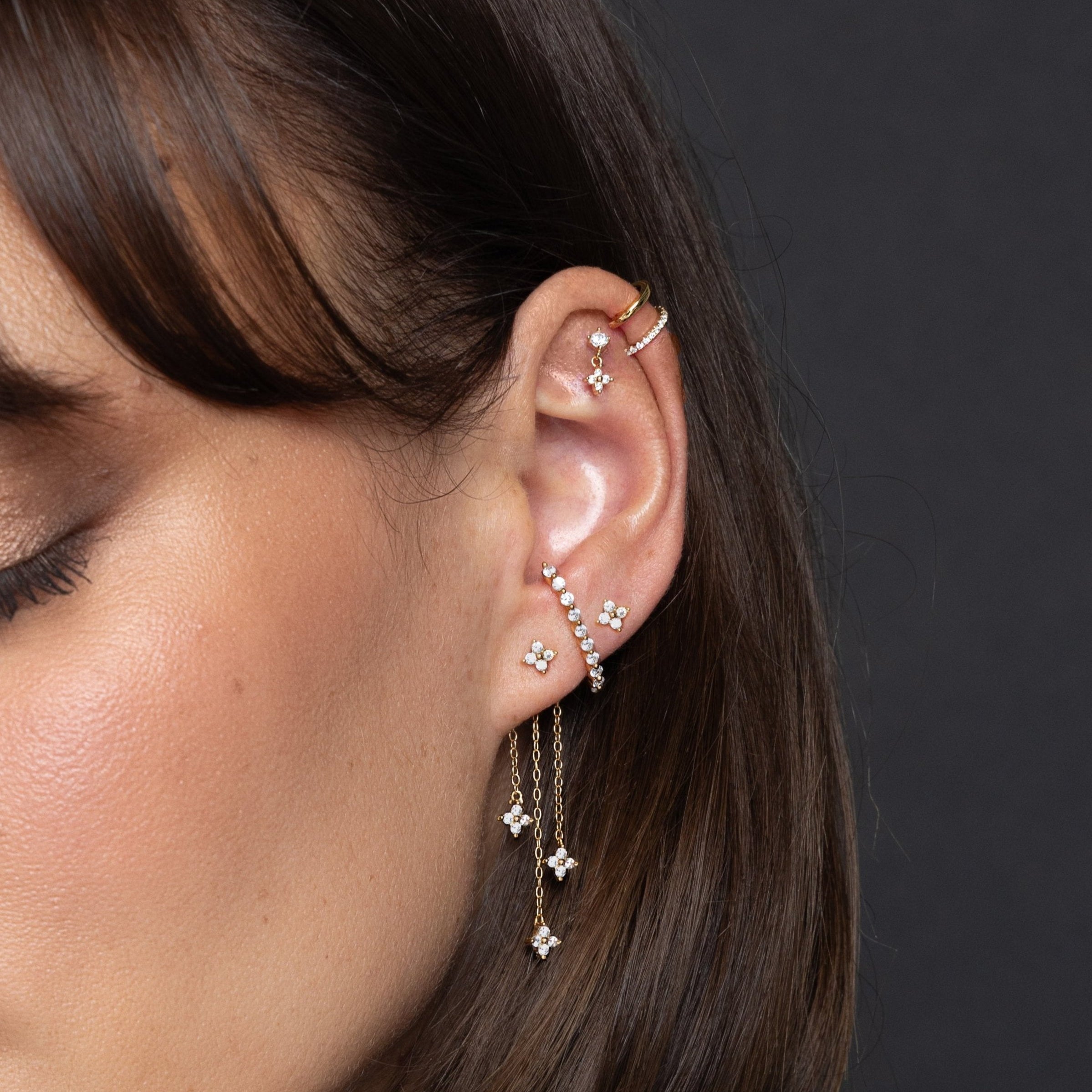
The conch piercing has established itself as an essential and ultra-trendy piercing: discreet or bold depending on the jewelry chosen, it can be worn alone or combined with other ear piercings. Here is all our advice to help you choose your conch piercing according to your desires.
What is a conch piercing?
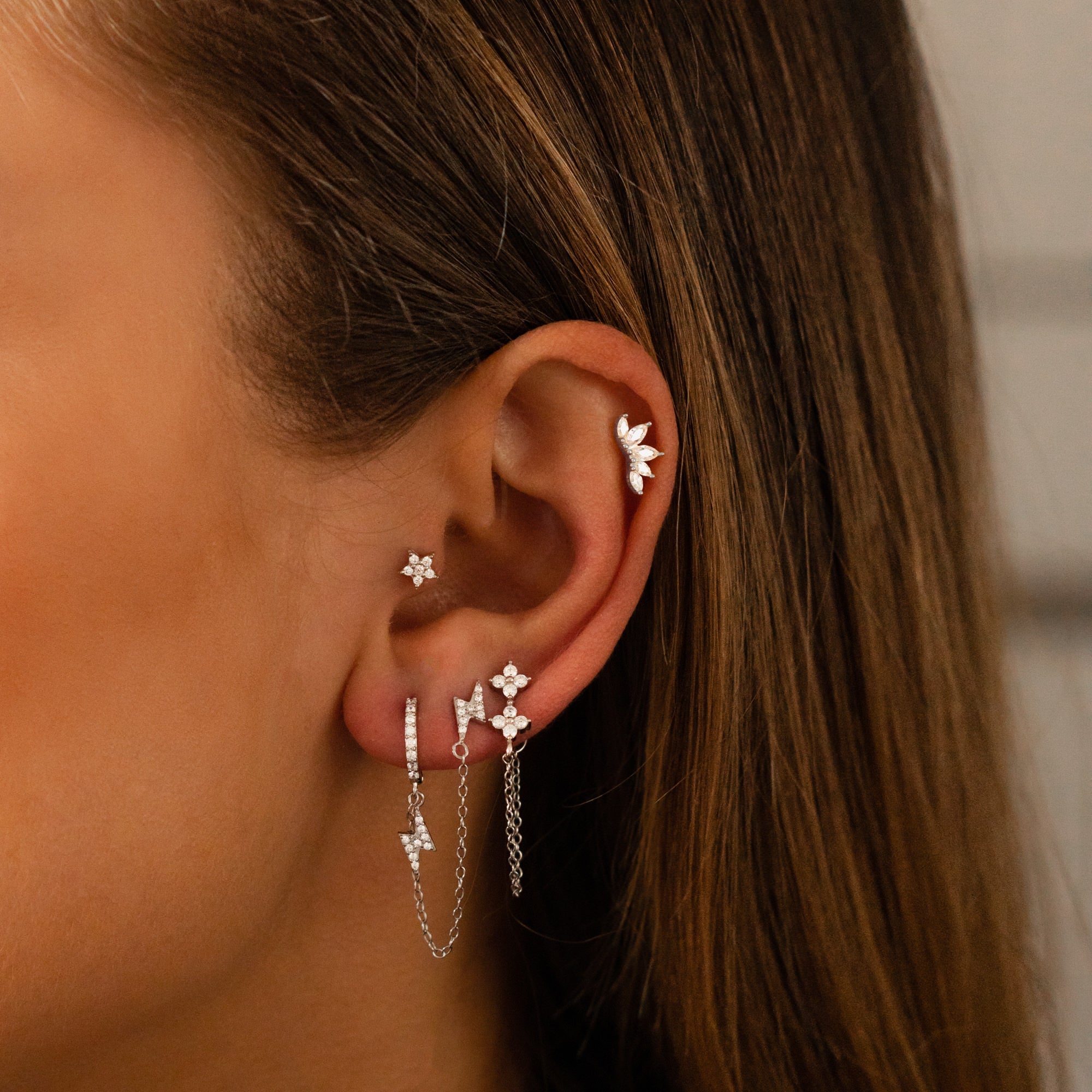
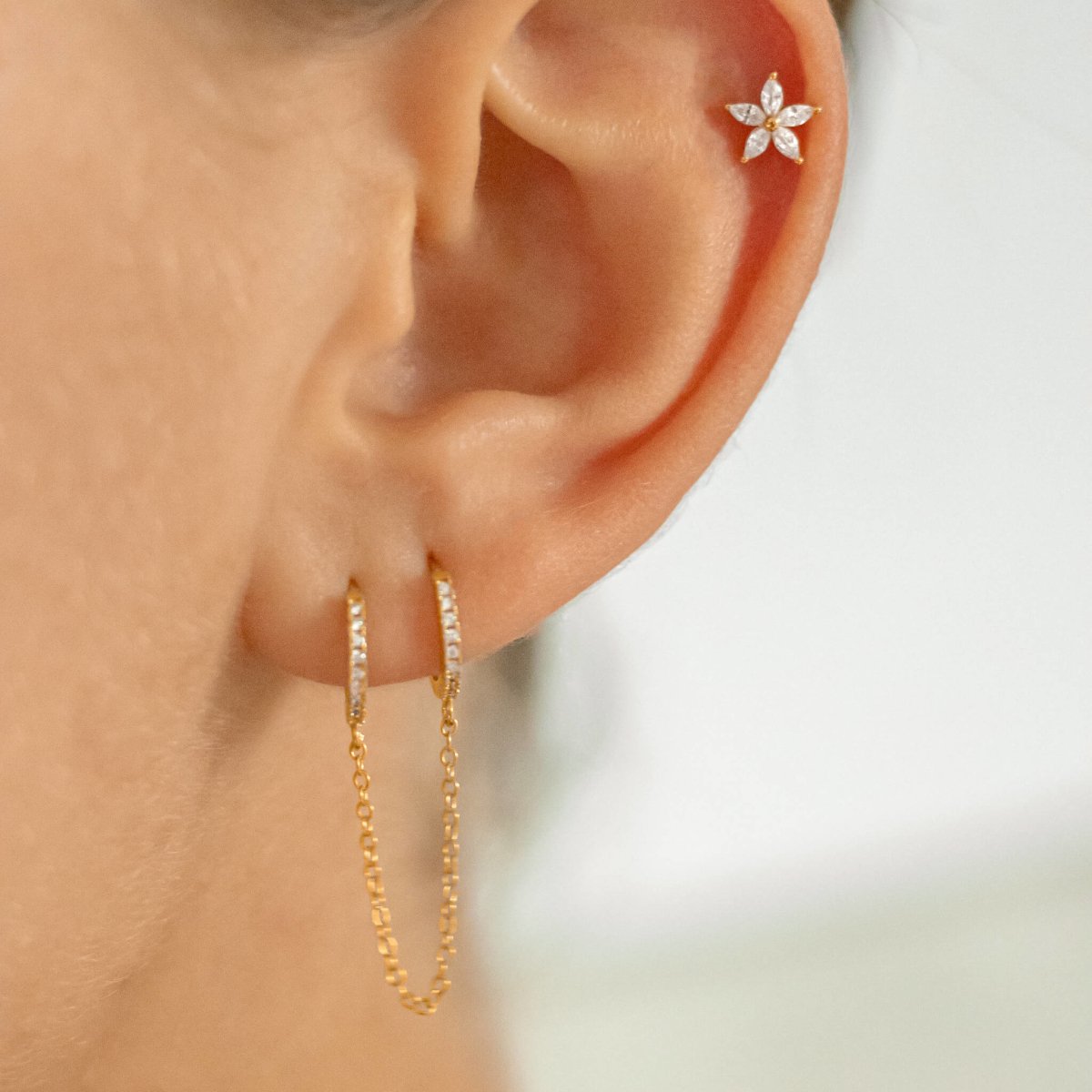
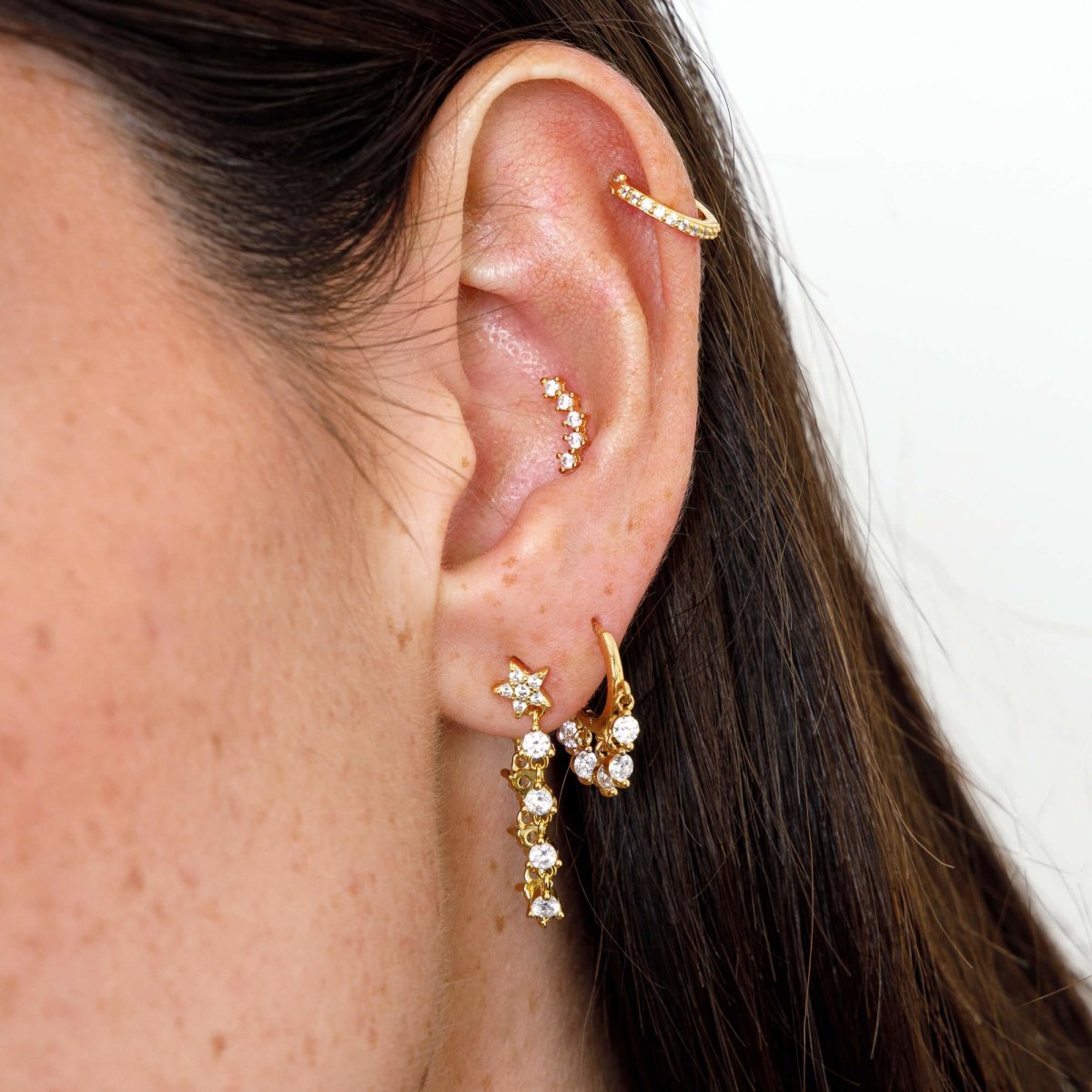
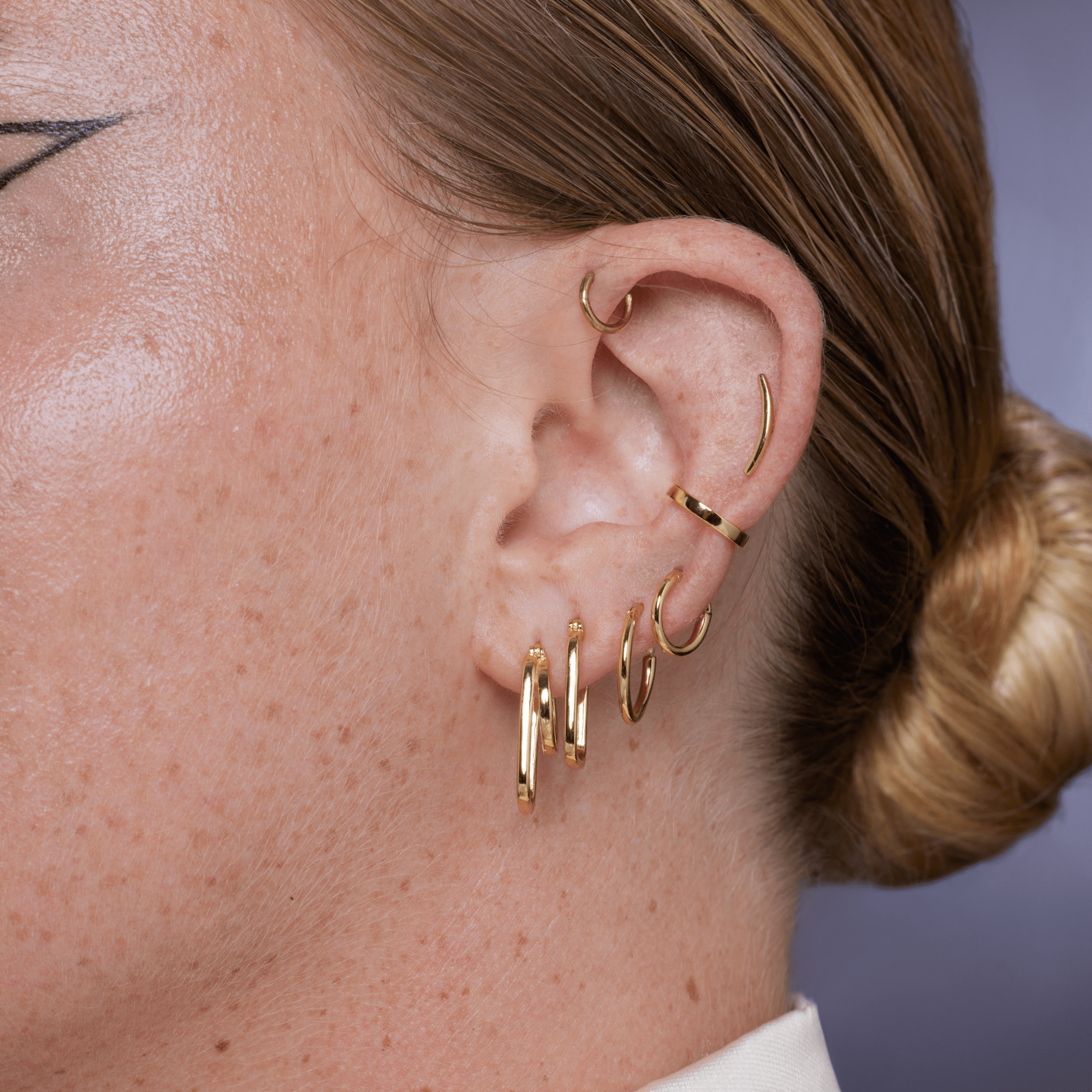
The conch piercing is placed in the center of the ear cartilage, in the hollow, cartilaginous area facing the ear canal. There are two placements: the inner conch, located in the part closest to the canal, and the outer conch, closer to the anti-helix.
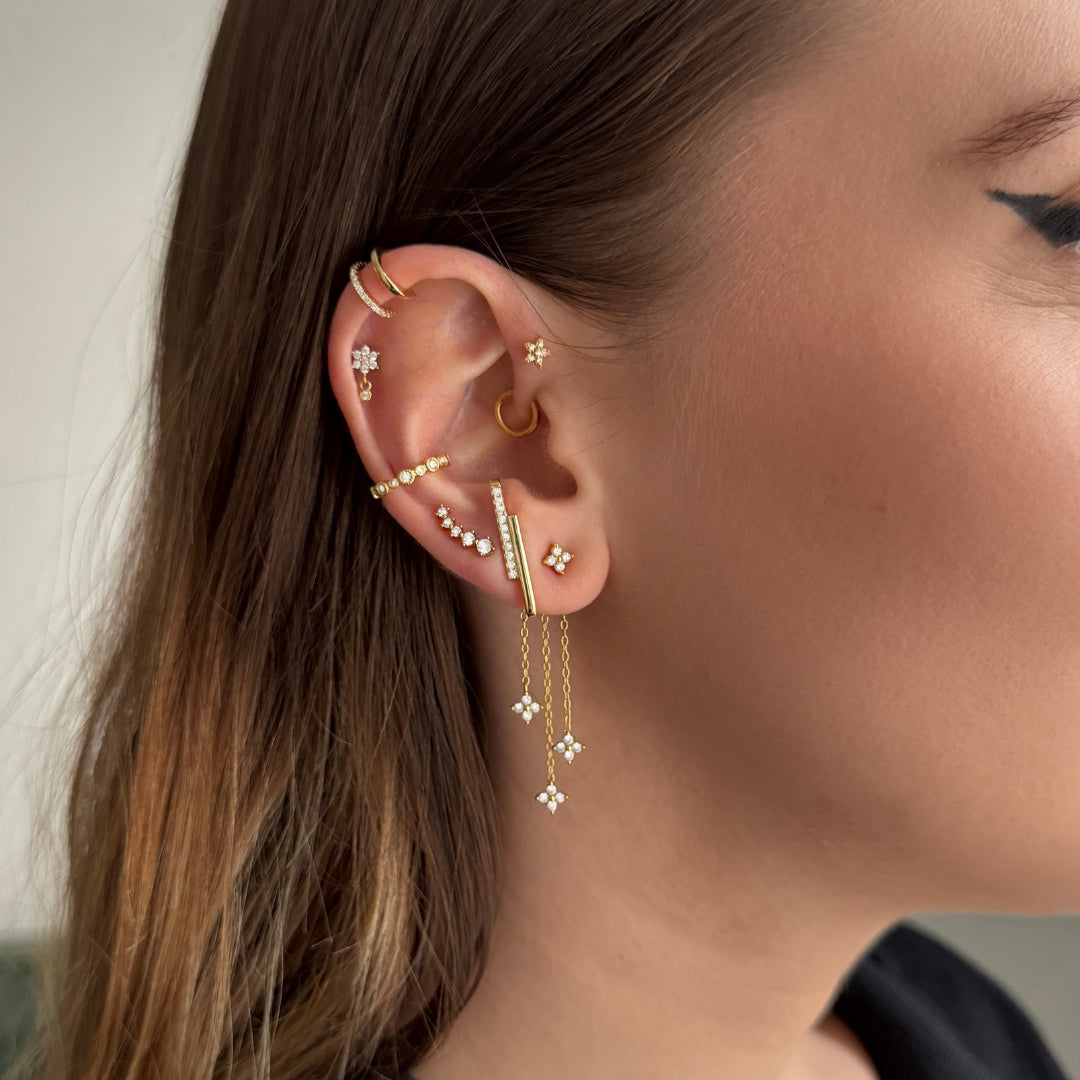
Anatomically, it is situated between the helix piercingand the anti-helix piercing, in a flat and well-defined area that offers ideal space for both hoops and studs. It is this central position that gives the conch piercing all its character: visible without being intrusive, it adds a touch of originality to any ear curation.
Which jewelry should you choose for a conch piercing?
Here is our selection of designs according to the desired aesthetic:
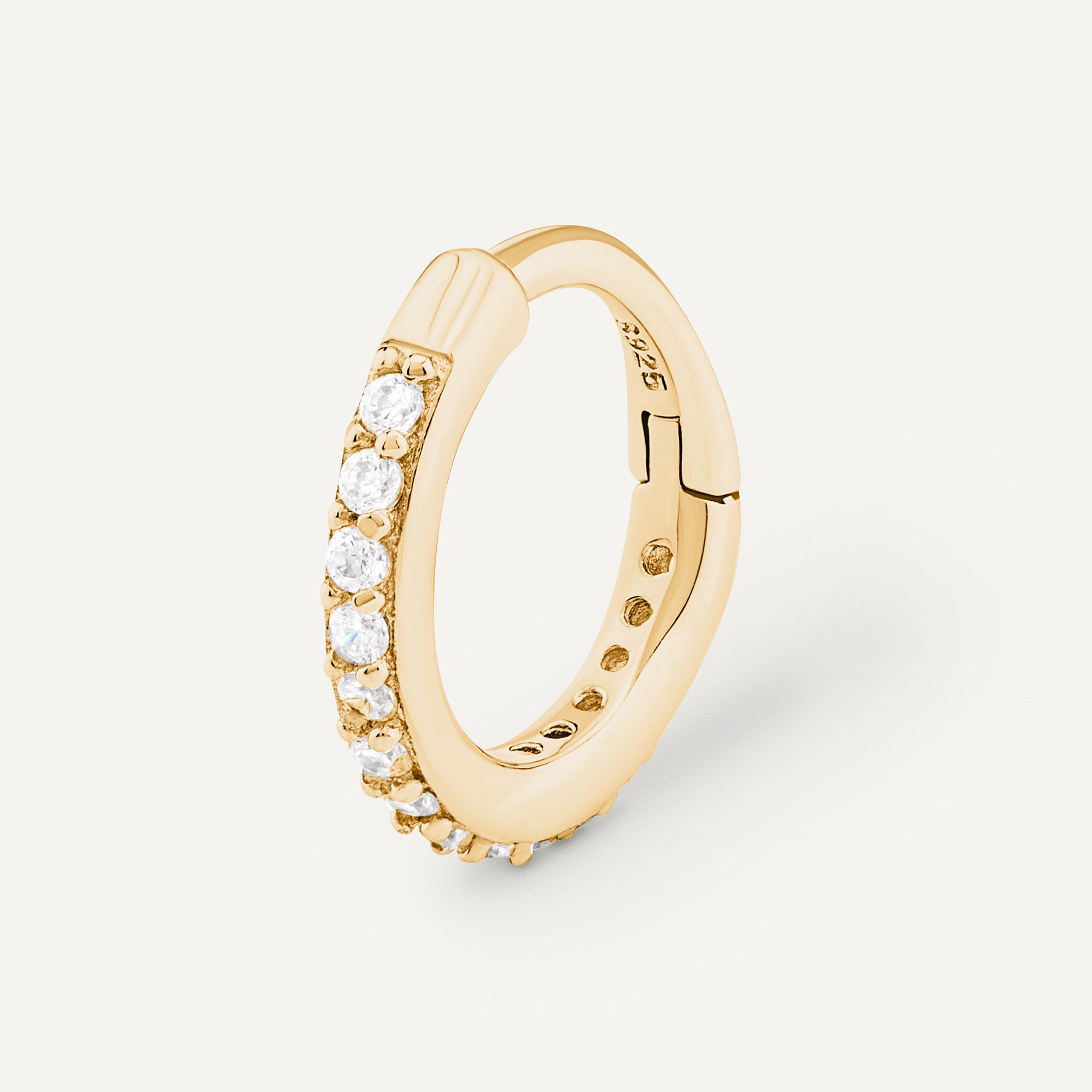
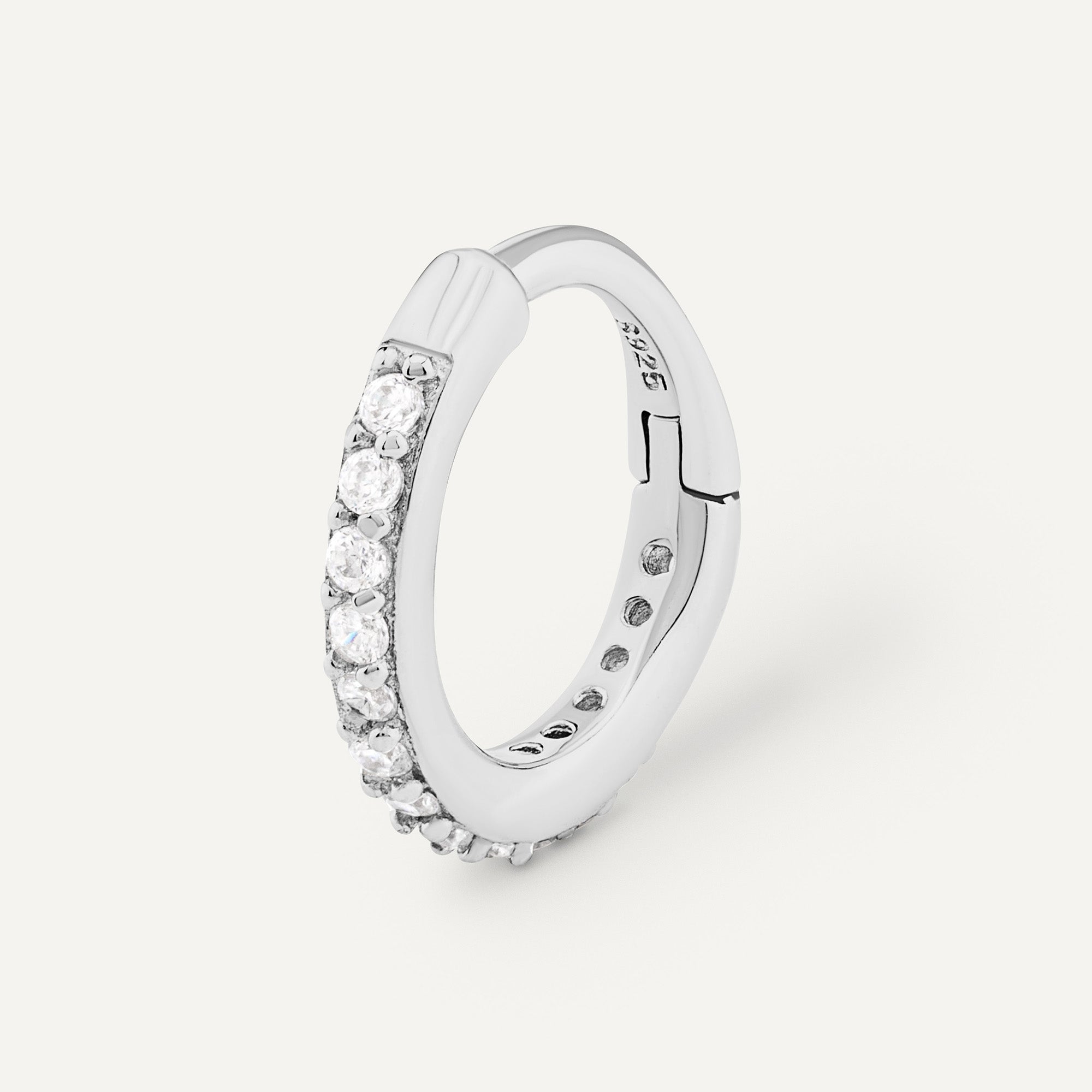
- The hoop: the boldest choice, offering the most originality for the conch. It encircles the cartilage. Best used once the piercing has healed.
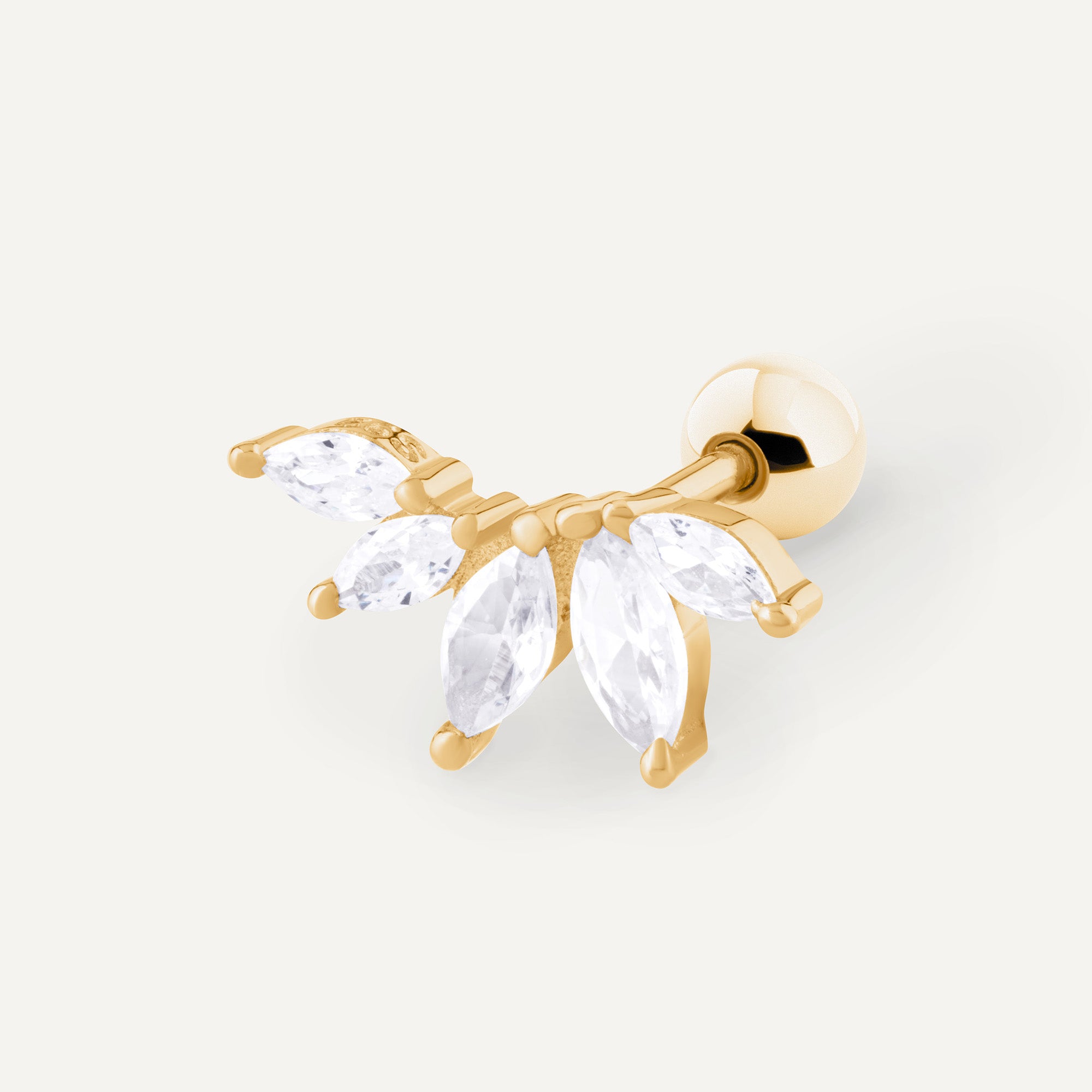
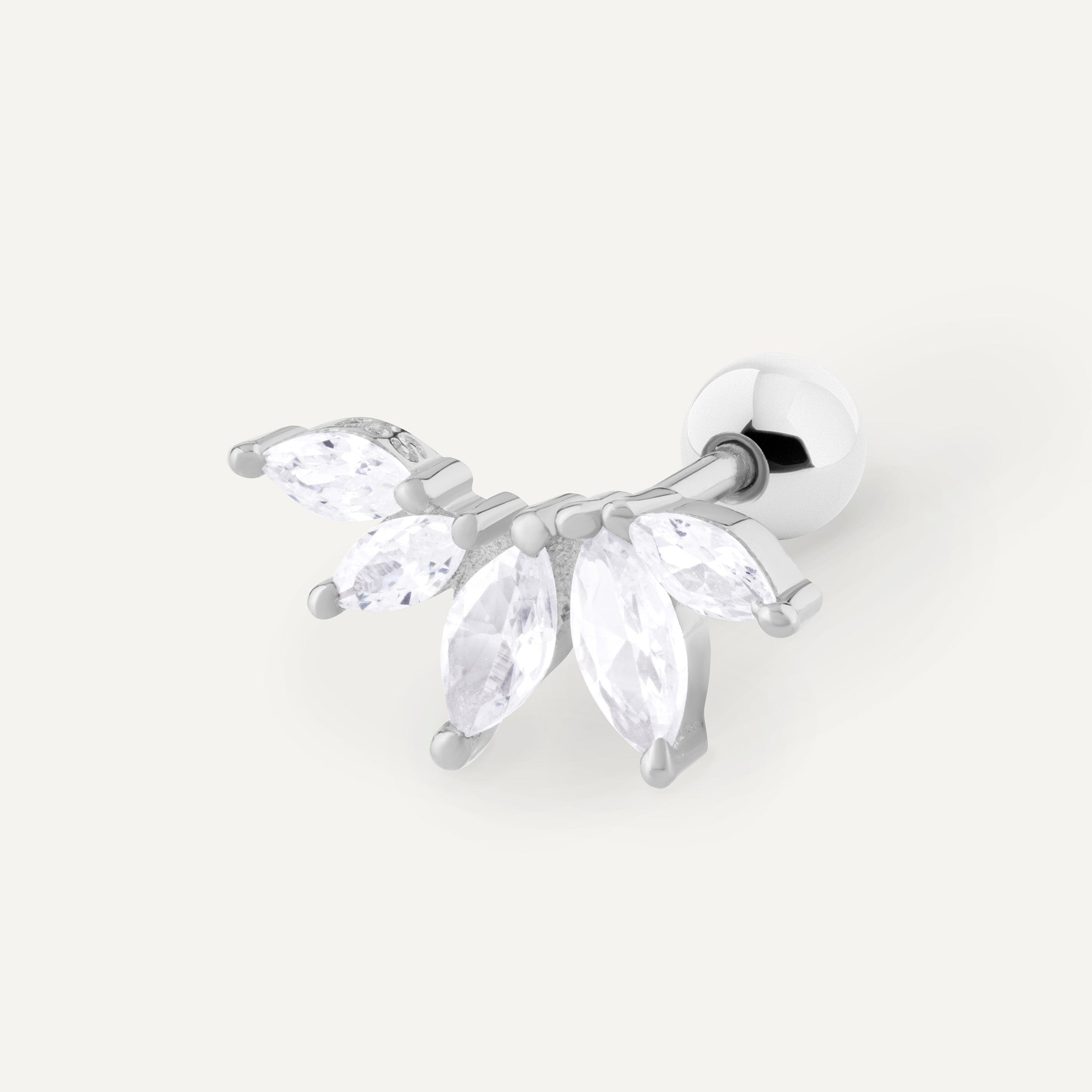
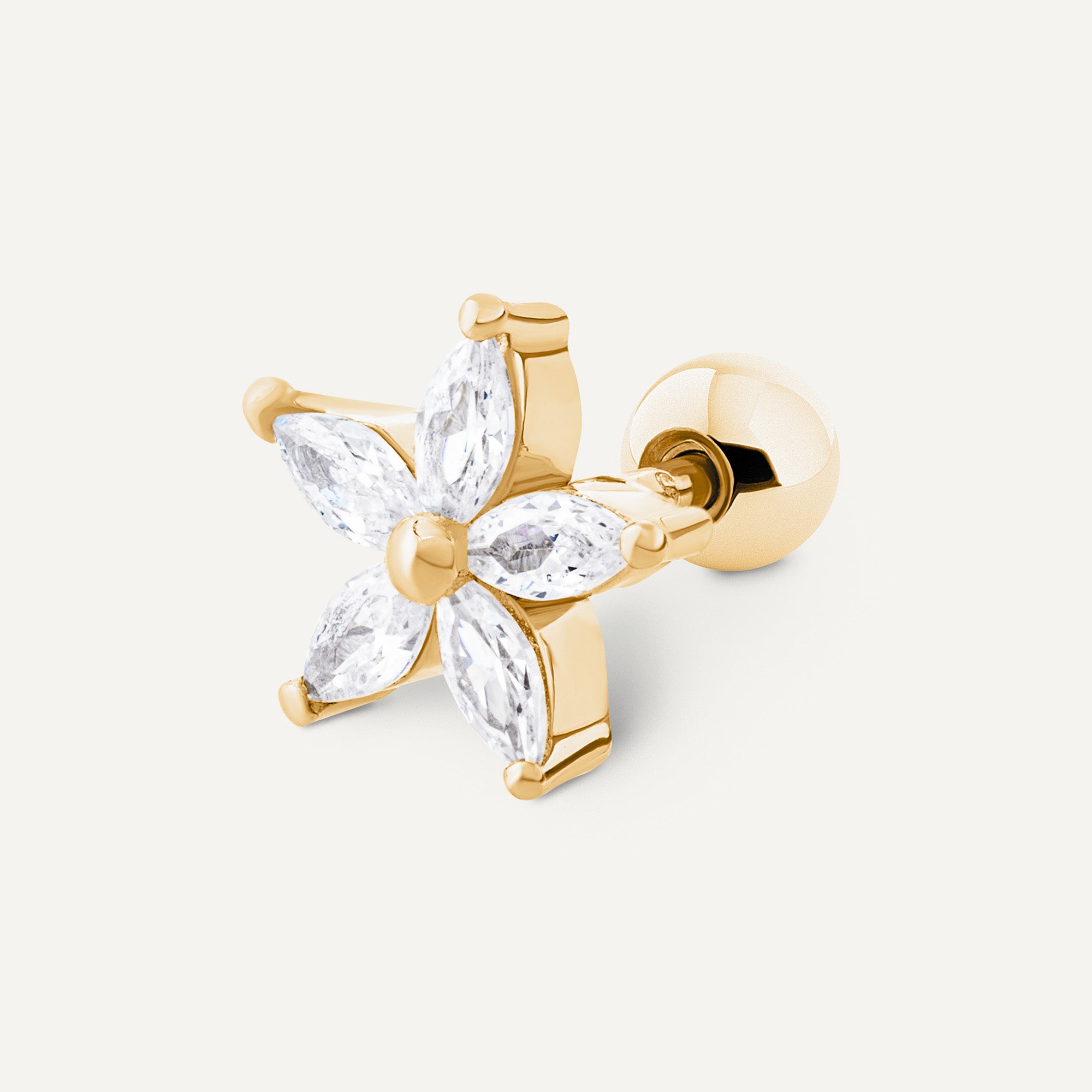
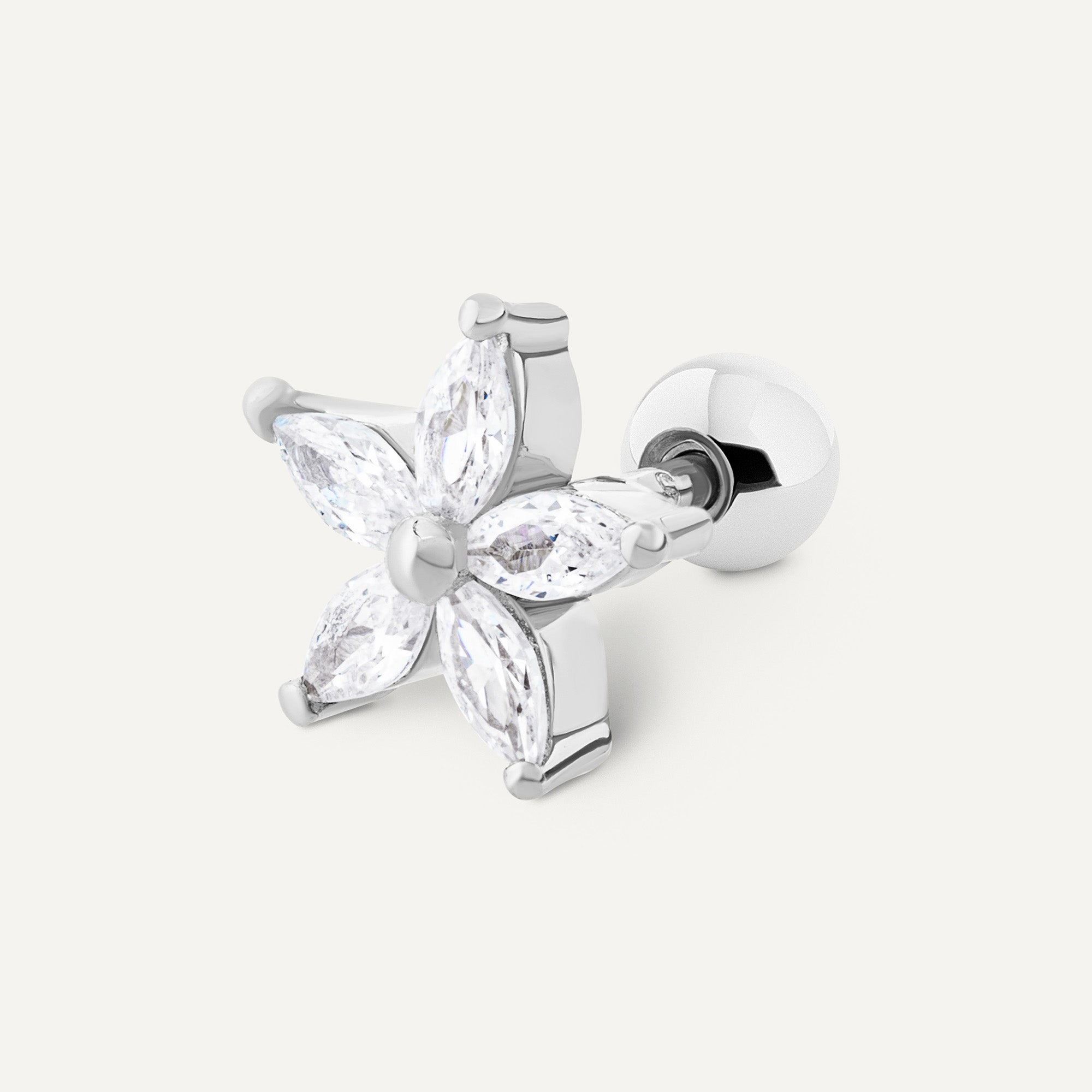
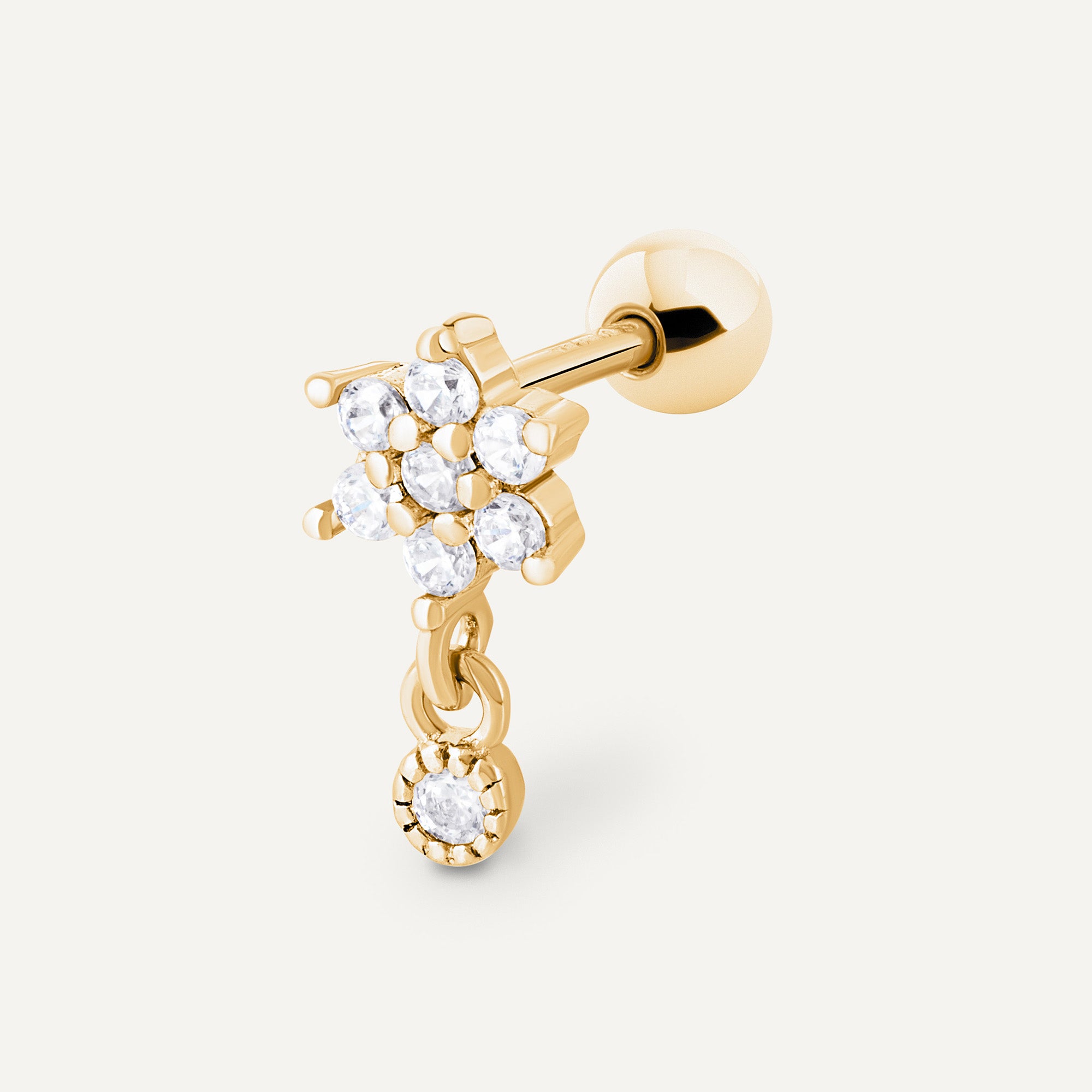
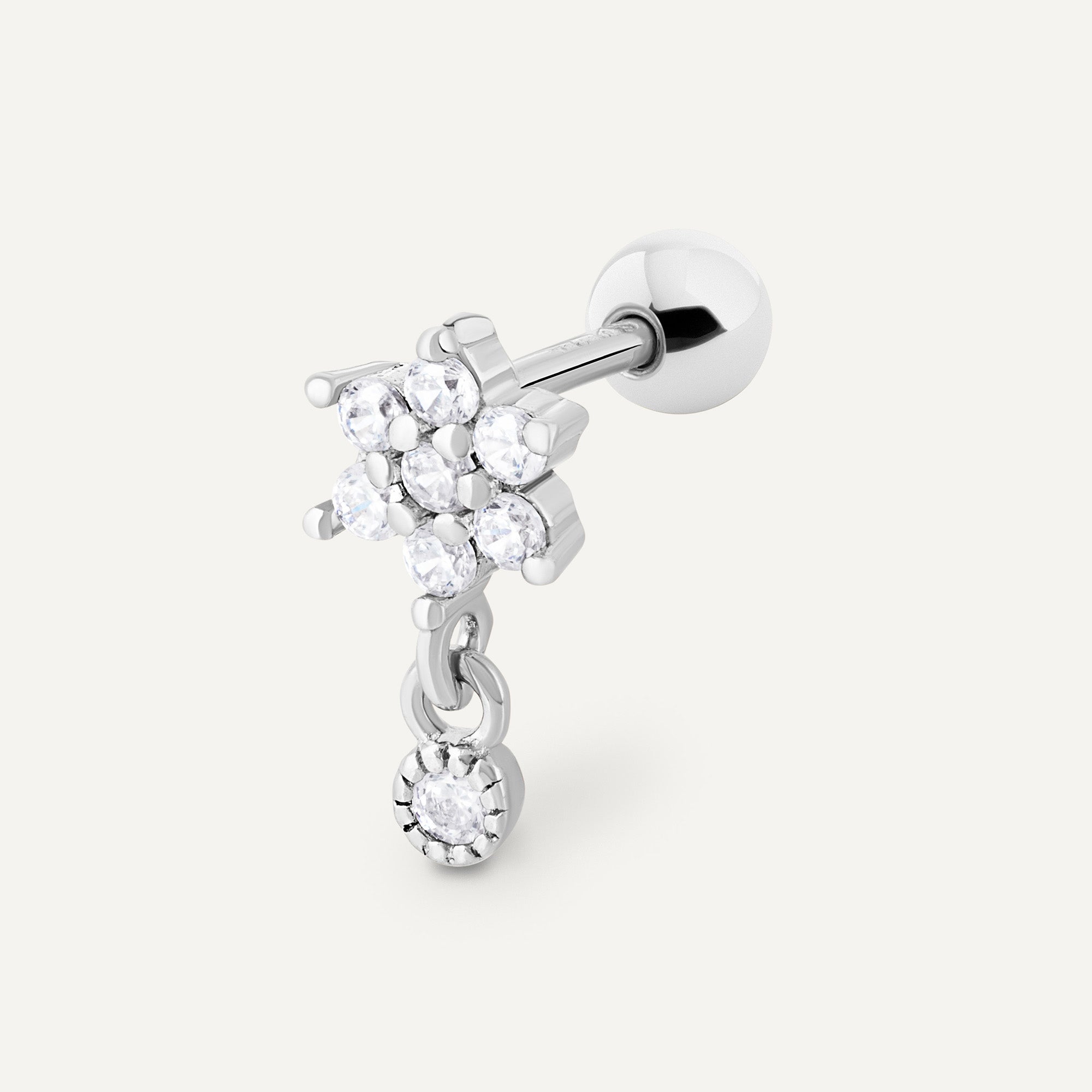
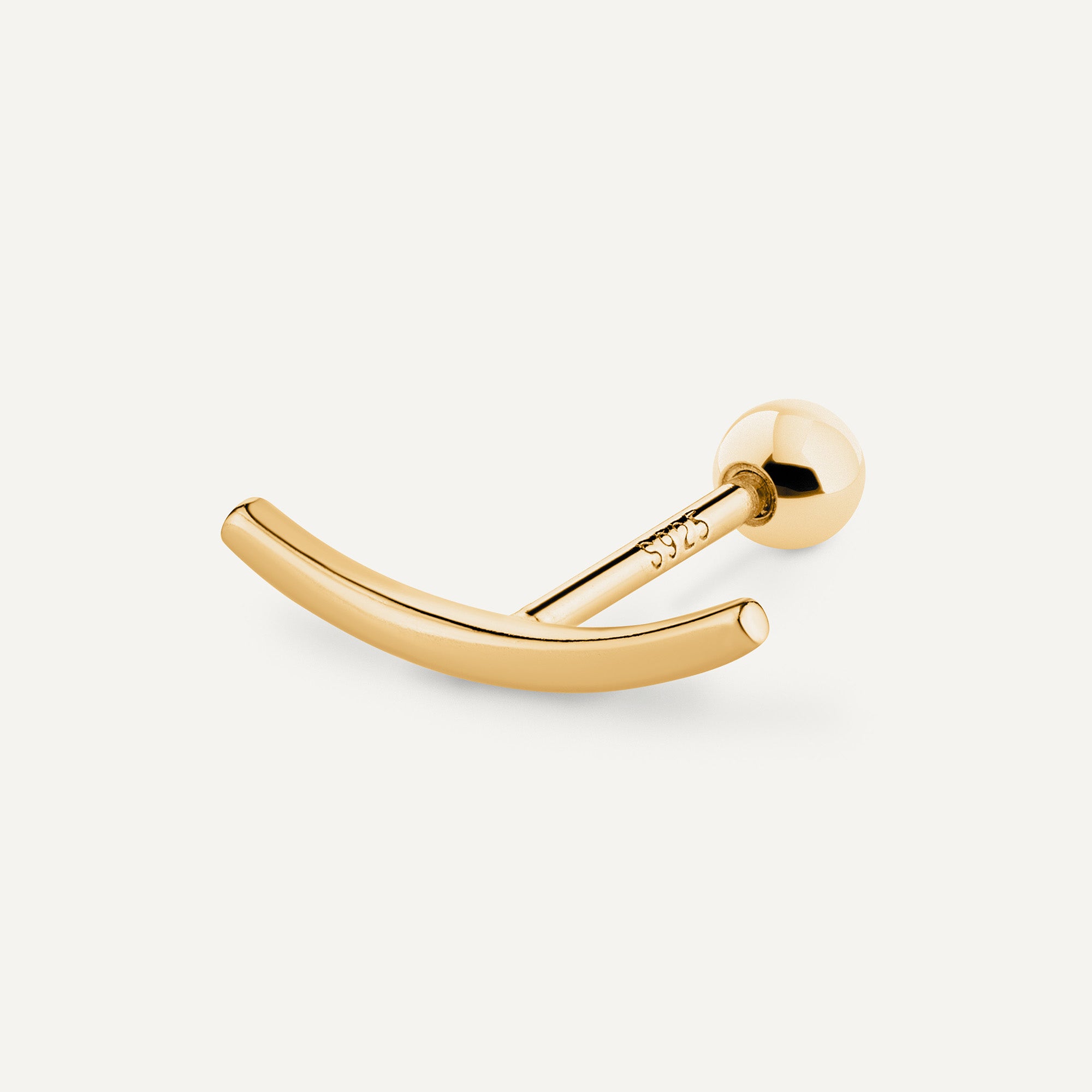
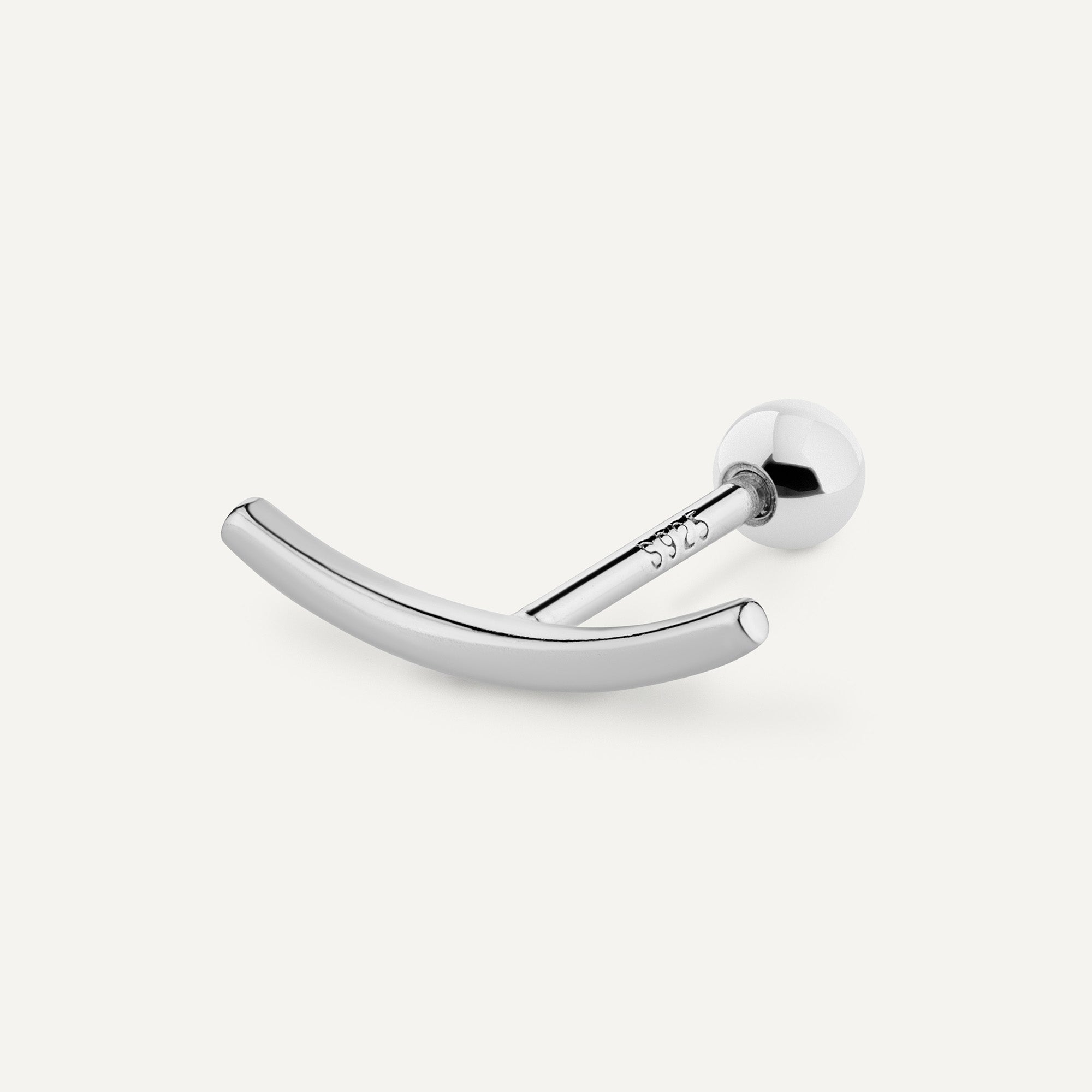
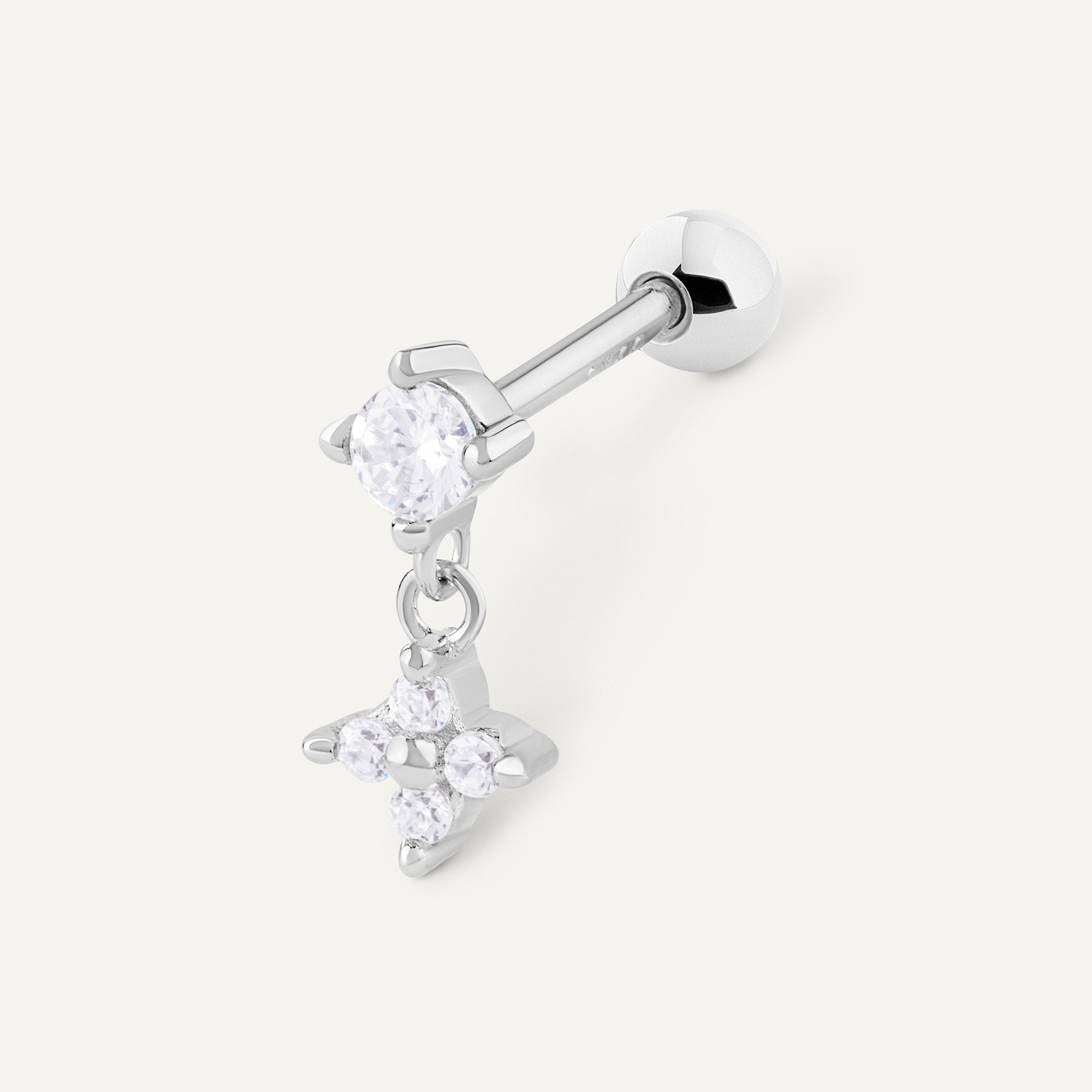
- The stud: discreet and minimalist, ideal for daily wear with maximum uniqueness. The jewelry of choice during the healing process.
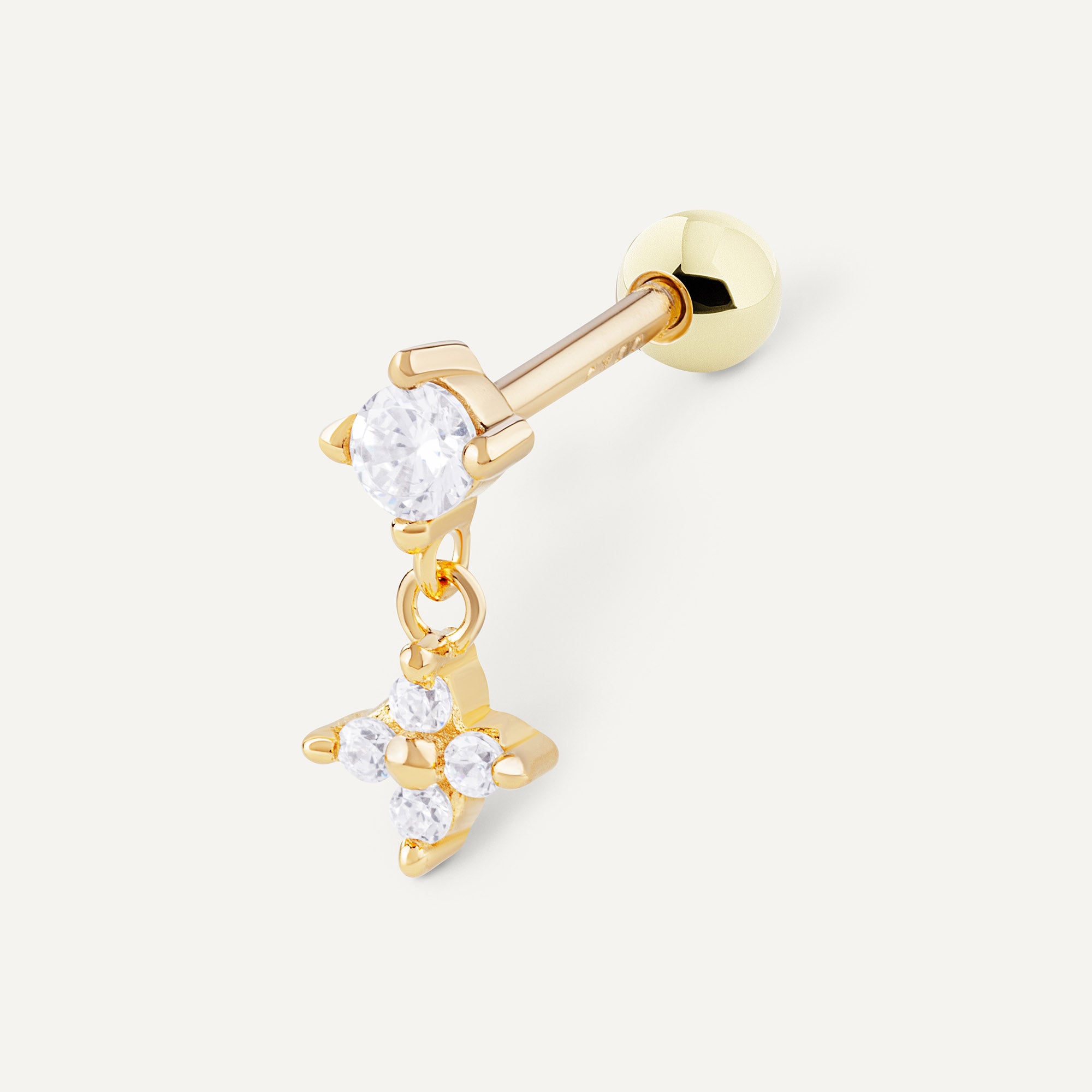
- The labret or barbell: versatile, it can accommodate different ends (ball, crystal, motif) and remains one of the standards recommended for initial piercing to avoid any risk of infection.
Titanium, 925 sterling silver, and gold: which material for your conch?
Pohésia offers two ranges of materials for its jewelry line (Conch, Tragus, Daith, Rook...), selected for their quality, hold, resistance, durability, and comfort.
The ASTM F136 grade titaniumis the benchmark material for piercings currently healing. Hypoallergenic, nickel-free, extremely light, and resistant, it minimizes the risk of reactions and infection. It is the recommended choice for any fresh piercing or for sensitive skin.
The 18-karat gold-plated 925 sterling silveris ideal for a healed piercing. It offers a luminous shine and a high-end finish, without ever resorting to plating. Both ranges are designed to complement all styles, from the minimalist to the most ornate.
What size and diameter for a conch piercing?
The recommended diameter for a conch hoop is generally 10 mm, but this benchmark must be adapted to your anatomy and the thickness of your cartilage. A professional piercer will be able to guide you on the ideal diameter during the piercing process.
For barbells and labrets, the standard thickness is 1.2 mm, compatible with the majority of initial piercings. During the healing phase, the length of the bar will be slightly longer than the final size to allow space in case of swelling. Once healed, you can opt for a more fitted length and switch to a hoop if you wish.
Healing and maintenance of a conch piercing
Cartilage is an area with low vascularization, which naturally slows down healing. Expect between 6 and 12 months, or even longer depending on the individual and the care provided.
Some essential rules for proper healing:
- Clean the piercing daily with an isotonic saline solution (saline spray), without rubbing. Good hygiene is paramount.
- Do not touch the jewelry unnecessarily, and do not turn it unless you feel specific discomfort.
- Avoid sleeping on the pierced ear — a horseshoe-shaped pillow can help.
- Avoid the sea and swimming pools for at least 6 weeks after piercing.
- Do not attempt to change the jewelry before complete healing.
Titanium remains the most suitable material throughout this period to limit the risks of infection and skin reactions.
FAQ
Does a conch piercing hurt?
The conch goes through cartilage, which implies more significant pain than a lobe piercing. The pain level is generally rated around 7/10 during the piercing, but it remains brief and diminishes quickly in the following days (this naturally varies depending on the individual).
How long does a conch piercing take to heal?
The healing of a conch piercing takes between 6 and 12 months, and can extend up to 18 months depending on the person. Titanium jewelry, regular care, and patience are the keys to optimal healing.
What diameter should I choose for a conch hoop?
A diameter of 10 mm is the most common reference for a conch hoop, but everything depends on your anatomy. Do not hesitate to consult a professional piercer and explore the various products in our collection to find the right thickness.
What is the price of a conch piercing?
The price of the piercing procedure in a studio is separate from the price of the jewelry. Pohésia jewelry for the conch is available starting at €22 in 24-karat gold-plated silver and starting at €32 in ASTM F136 titanium.
Can I wear a faux conch piercing?
Yes, there are alternatives without piercing: ear cuffs and clips slide directly onto the cartilage without a hole. It is an ideal option to test the conch look before committing, or for those who do not wish to go through the piercing process.
How do I sleep with a conch piercing?
For the entire duration of the healing, avoid sleeping on the side of the pierced ear to avoid applying pressure to the jewelry. A special horseshoe-shaped piercing pillow allows you to rest your head comfortably without contact with the ear. Thanks to this type of pillow, you should experience less pain at night.
When can I change the jewelry of a conch piercing?
It is recommended to wait for complete healingbefore changing jewelry, which is at minimum 6 to 9 months depending on your progress. Once healed, you can switch to a hoop or other models of your choice, ideally with the help of a professional piercer.