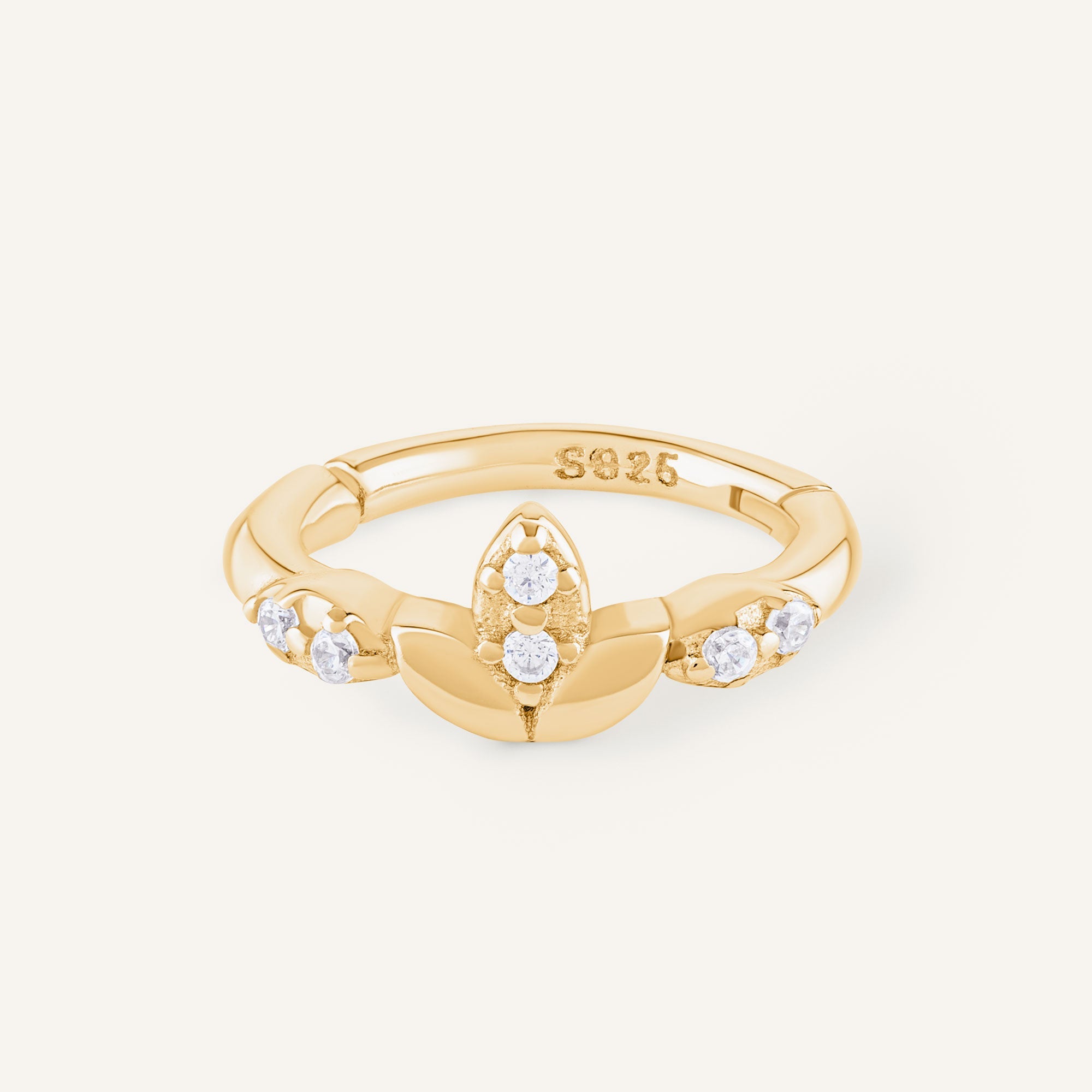
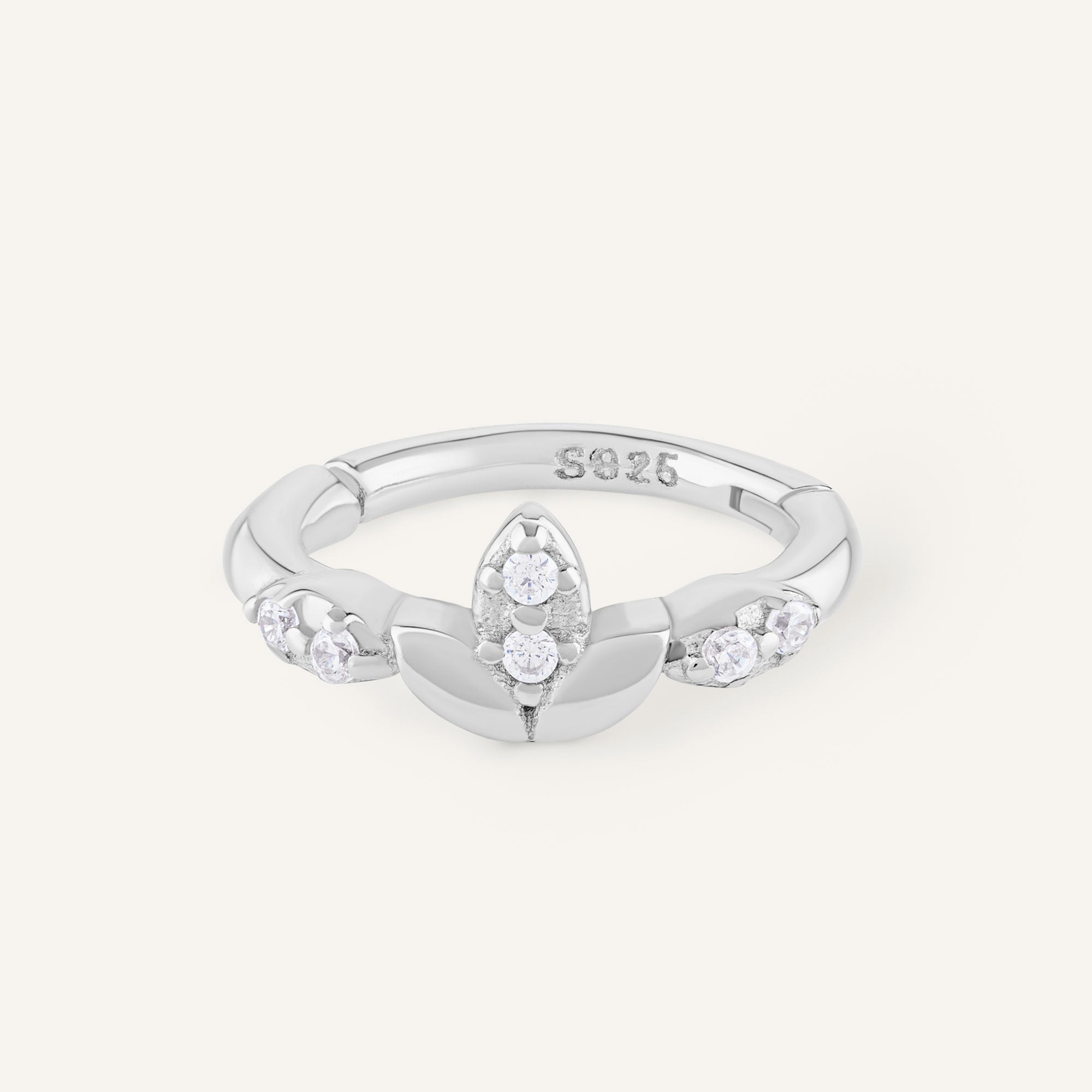
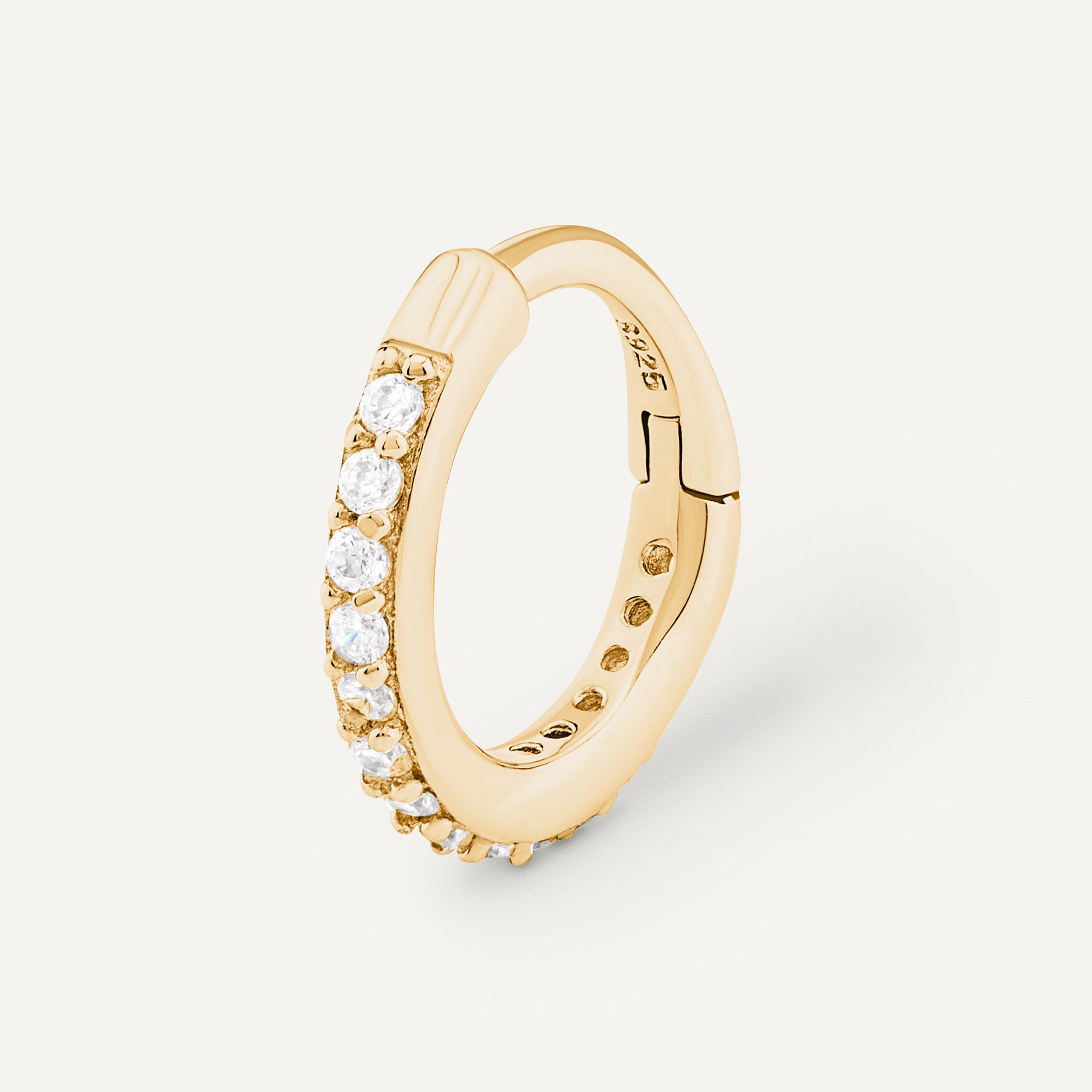
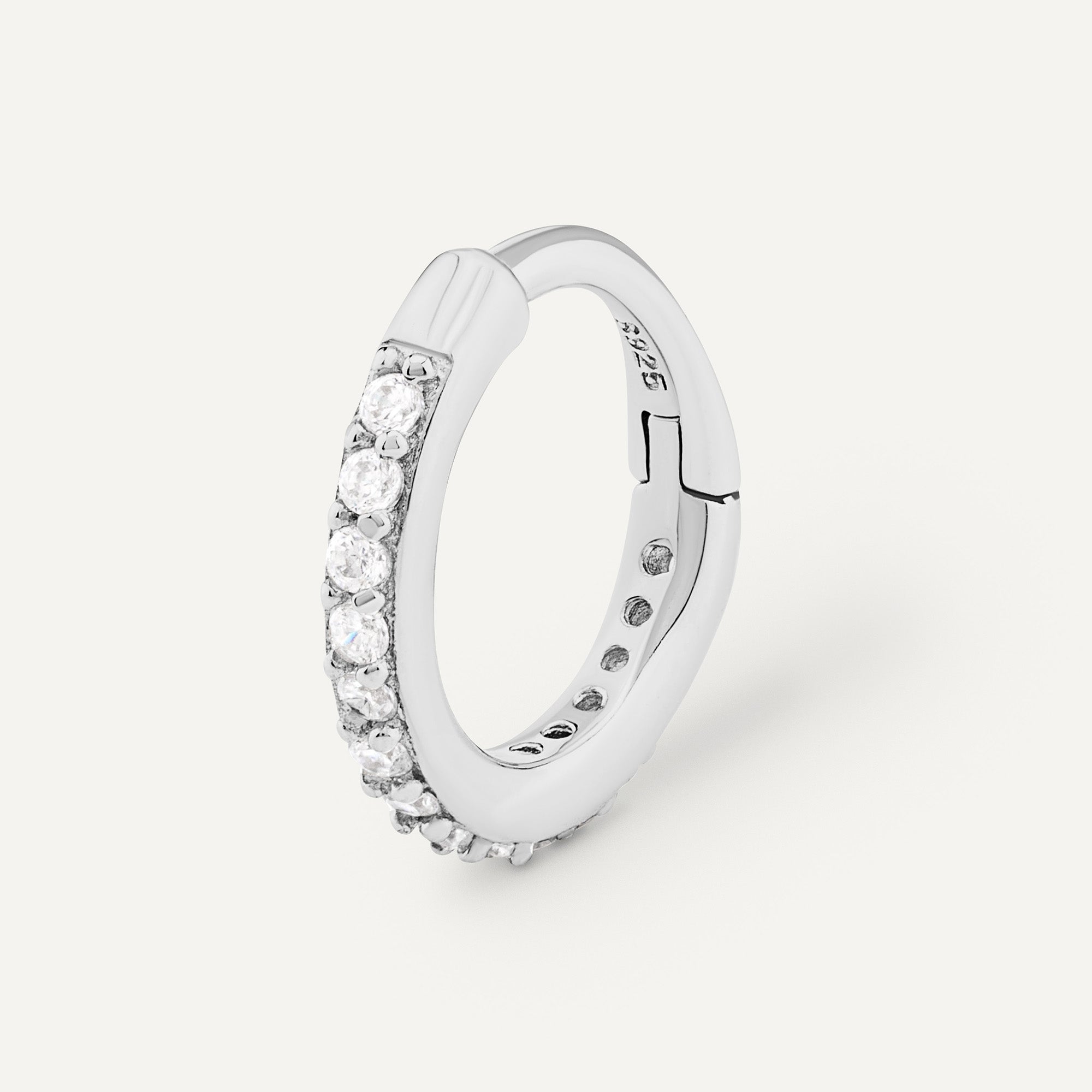
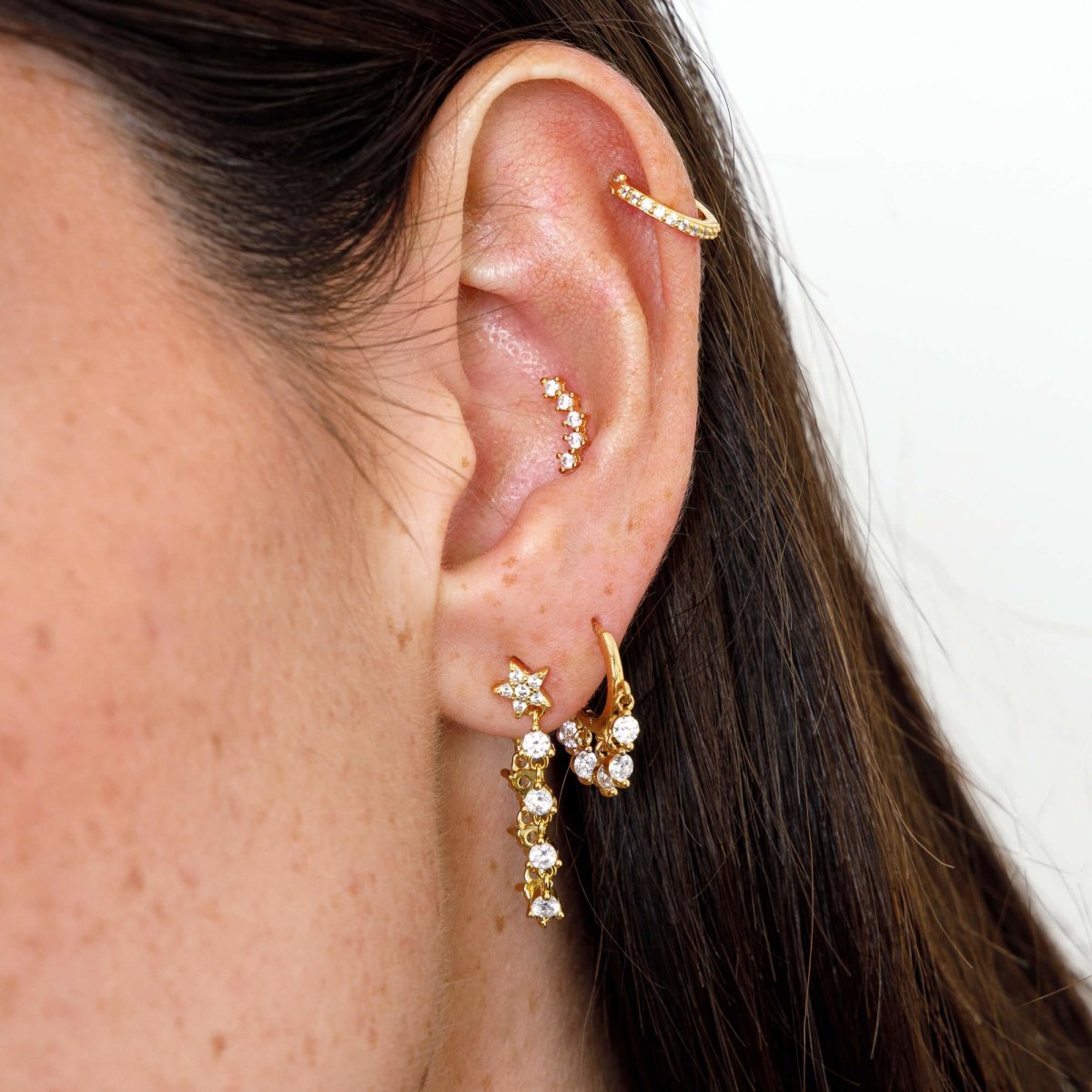
Ear piercing has become a true form of personal expression, with numerous possibilities for earring styles. Rings, studs, titanium labrets, 925 sterling silver, or 18-karat gold-plated: every ear location—lobe, helix, tragus, daith, conch—calls for jewelry designed for that specific area, its healing process, and its style. Discover our complete collection of products selected for their quality, durability, and lasting wear at the best price.
The different types of ear piercings
The ear offers a multitude of locations for piercing, each with its own name, anatomical zone, and unique look. Here are the main ear piercing options to know to compose your look:
- Lobe: the soft, fleshy part of the ear, the first choice for the majority of clients (women and men).
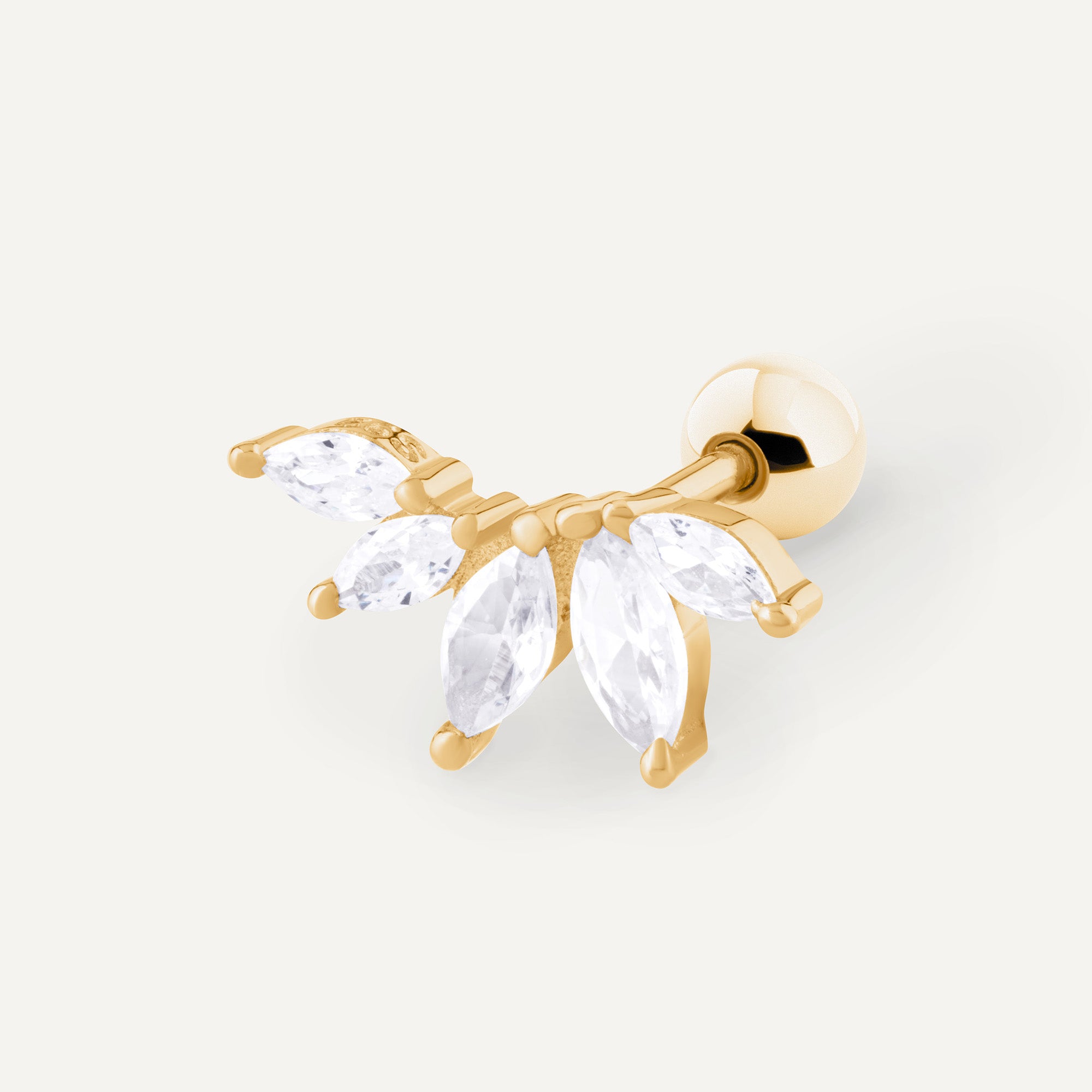
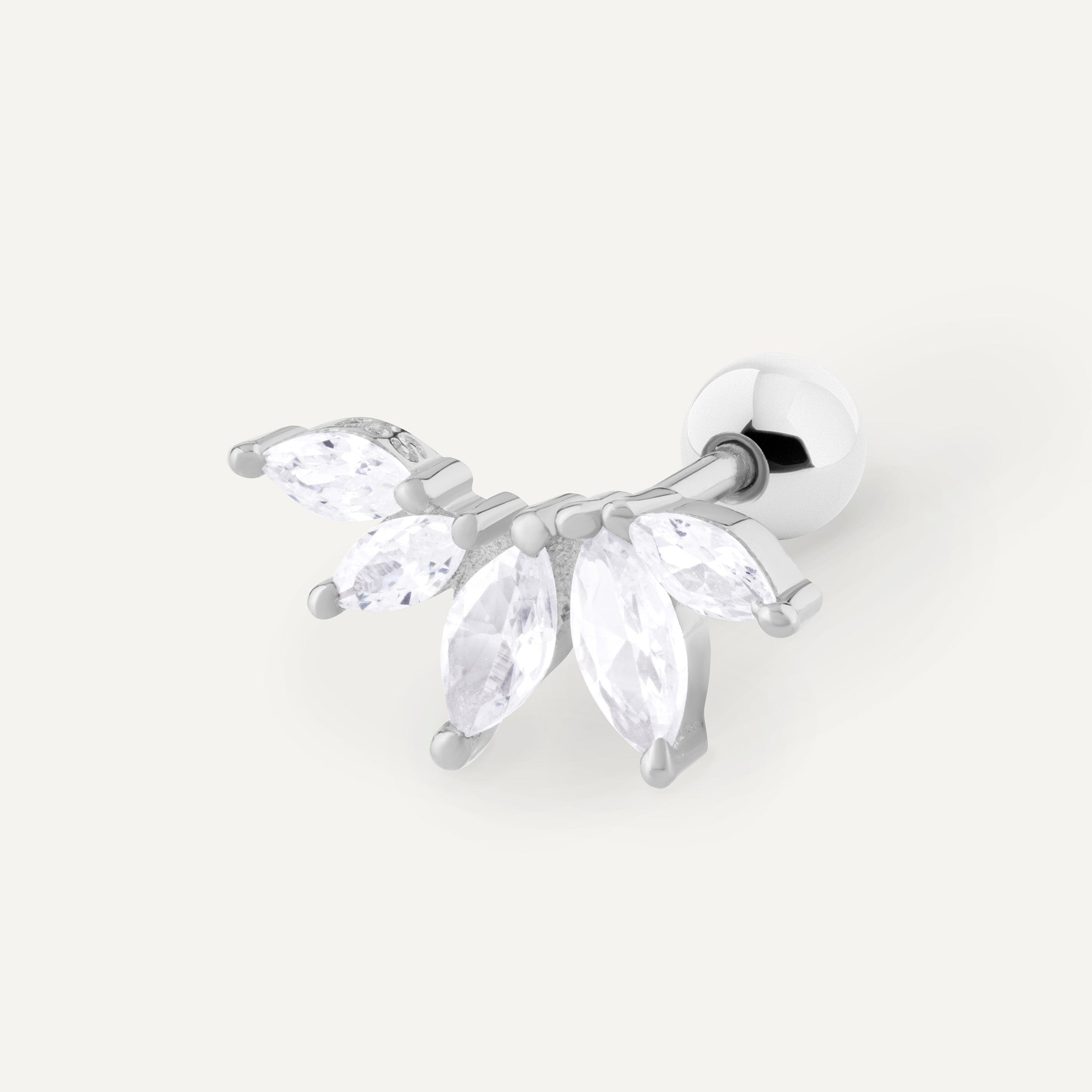
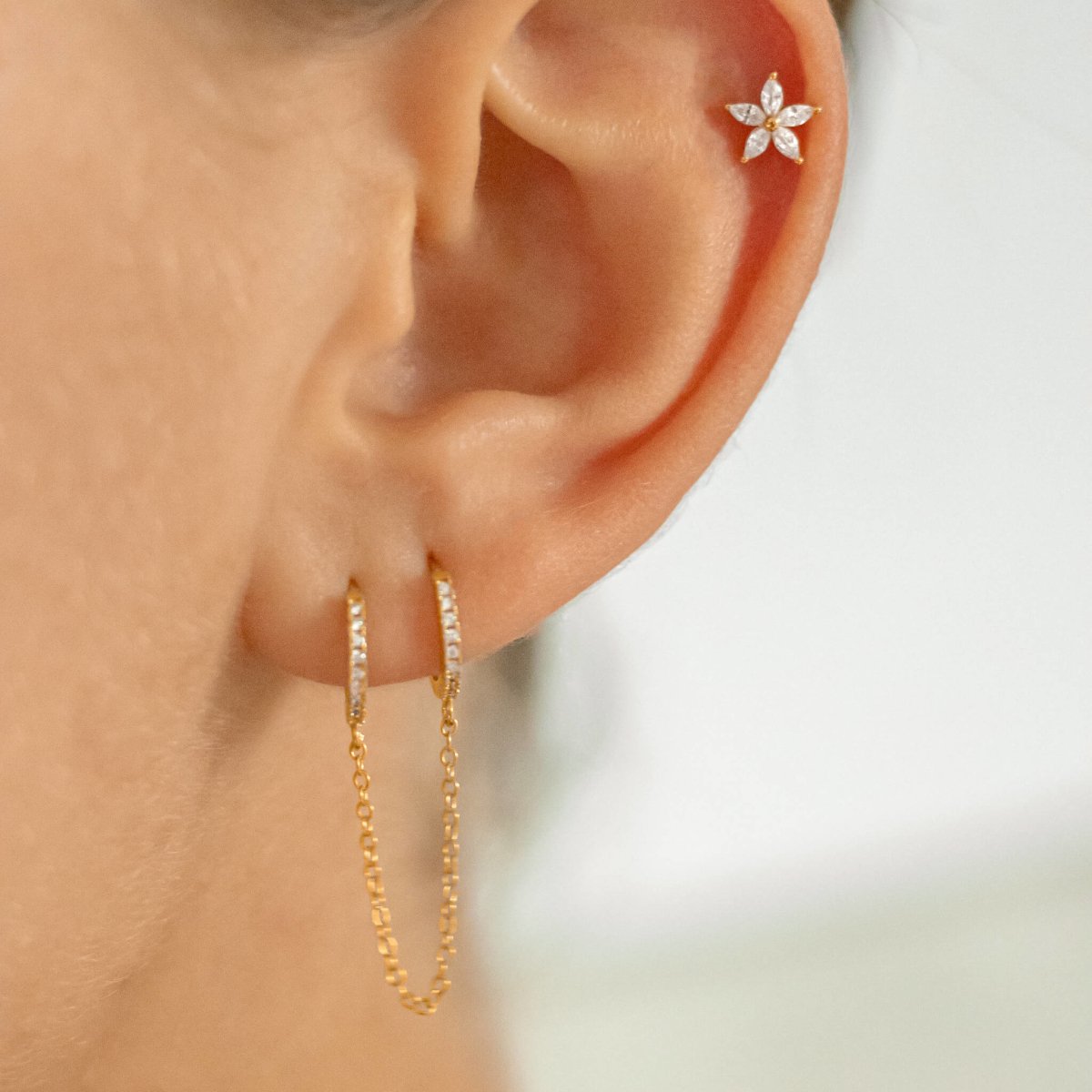
- Helix : located on the upper outer cartilage, it is one of the trendiest locations for a ring or a delicate stud (discover our helixcollection).
- Tragus: this small bump of cartilage placed just in front of the ear canal accommodates a labret or a mini ring for a bold touch (see our tragusjewelry).
- Conch: in the center of the ear, the conch allows for statement jewelry, large rings, or intricate studs.
- Daith: nestled in the inner fold of the cartilage, the daith piercing is very graphic.
- Rook: positioned on the upper fold of the cartilage, it primarily accommodates curved bars.
- Anti-helix, anti-tragus, snug, industrial: these rarer locations (the industrial connecting two holes with a straight bar) allow you to assert a true personality in your composition.
Which material to choose for your ear piercing
The choice of material is essential for any purchase: it determines comfort, skin tolerance, and the lifespan of the jewelry. During the healing phase, prioritize titanium: hypoallergenic, nickel-free, and perfectly tolerated, it remains the safest material for a new piercing. Surgical steelis a good alternative for non-reactive skin, thanks to its smooth surface and resistance to corrosion. Once the area is completely healed, you can switch to more precious materials like 925 sterling silveror 18-karat gold-platedjewelry, which bring superior shine and value to your composition. Discover our titanium piercings, 925 sterling silver, and 18-karat gold-platedjewelry to evolve your style over time.
Ring, stud, labret: which style for which location
The type of jewelry is chosen as much for its aesthetics as for its suitability for the pierced area. Here are the main shapes and their preferred locations:
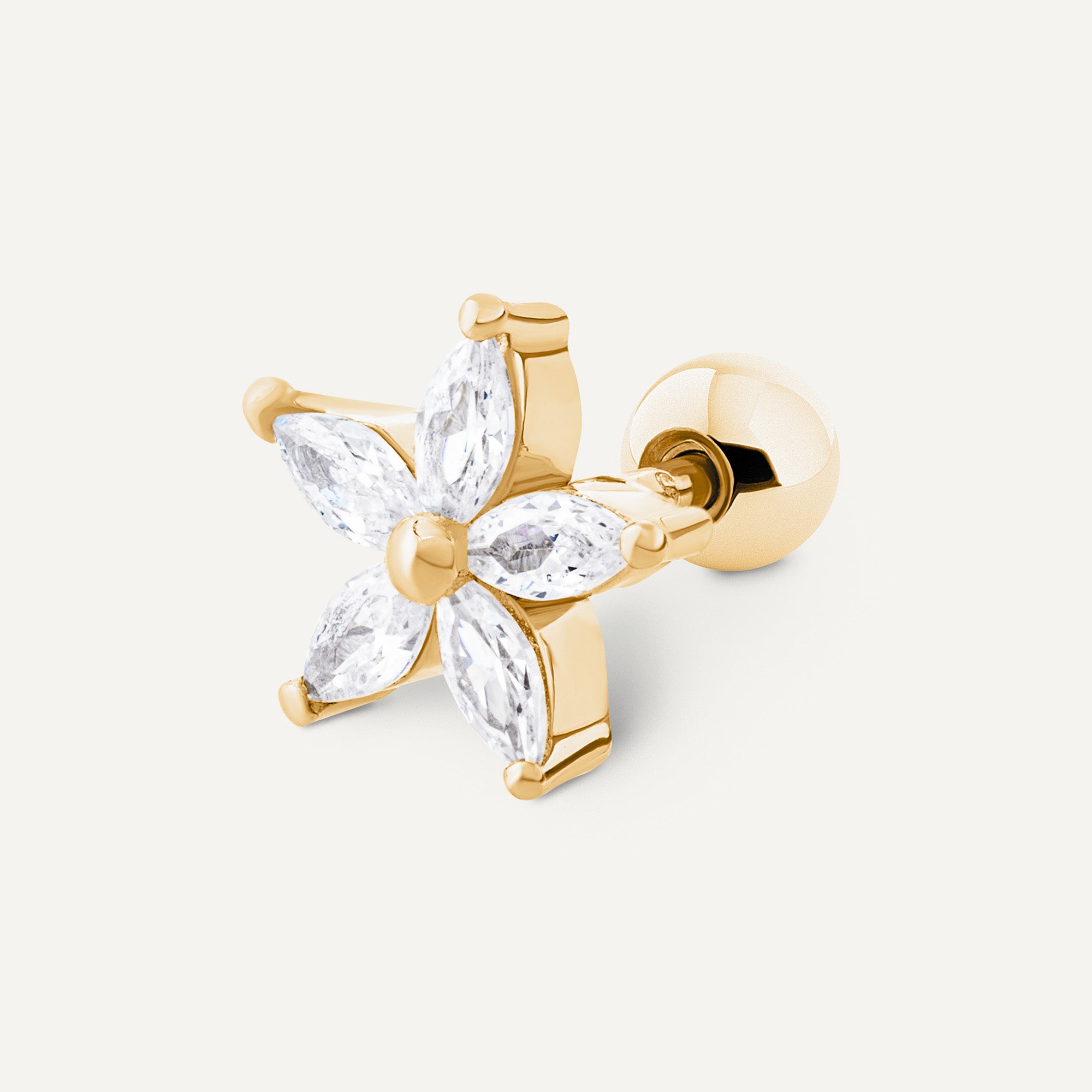
- Stud: straight post with a decorative tip visible in the front, ideal for the lobe, tragus, and anti-tragus.
- Ring and mini ring: open or closed circle that goes through the hole, perfect for the helix, daith, and conch.
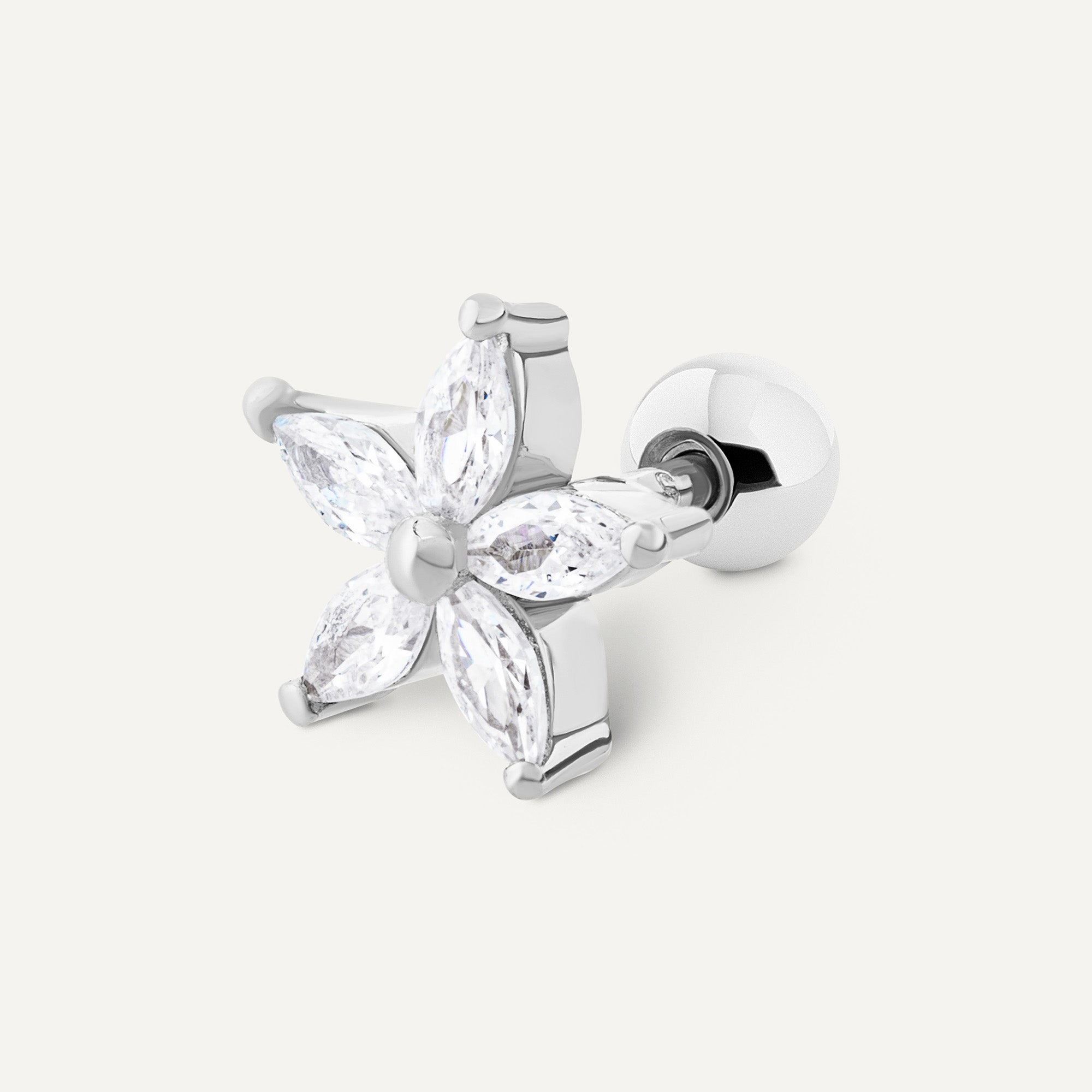
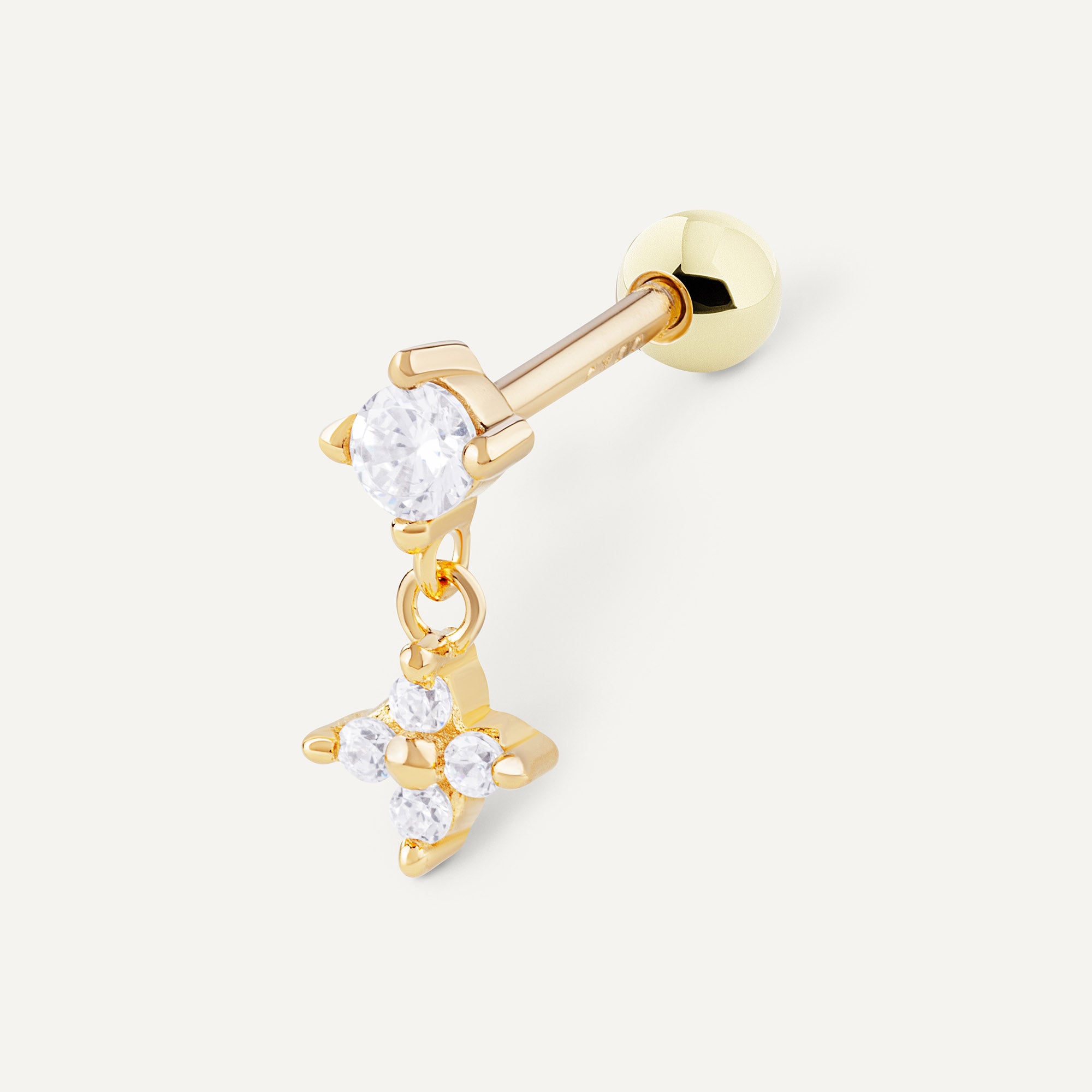
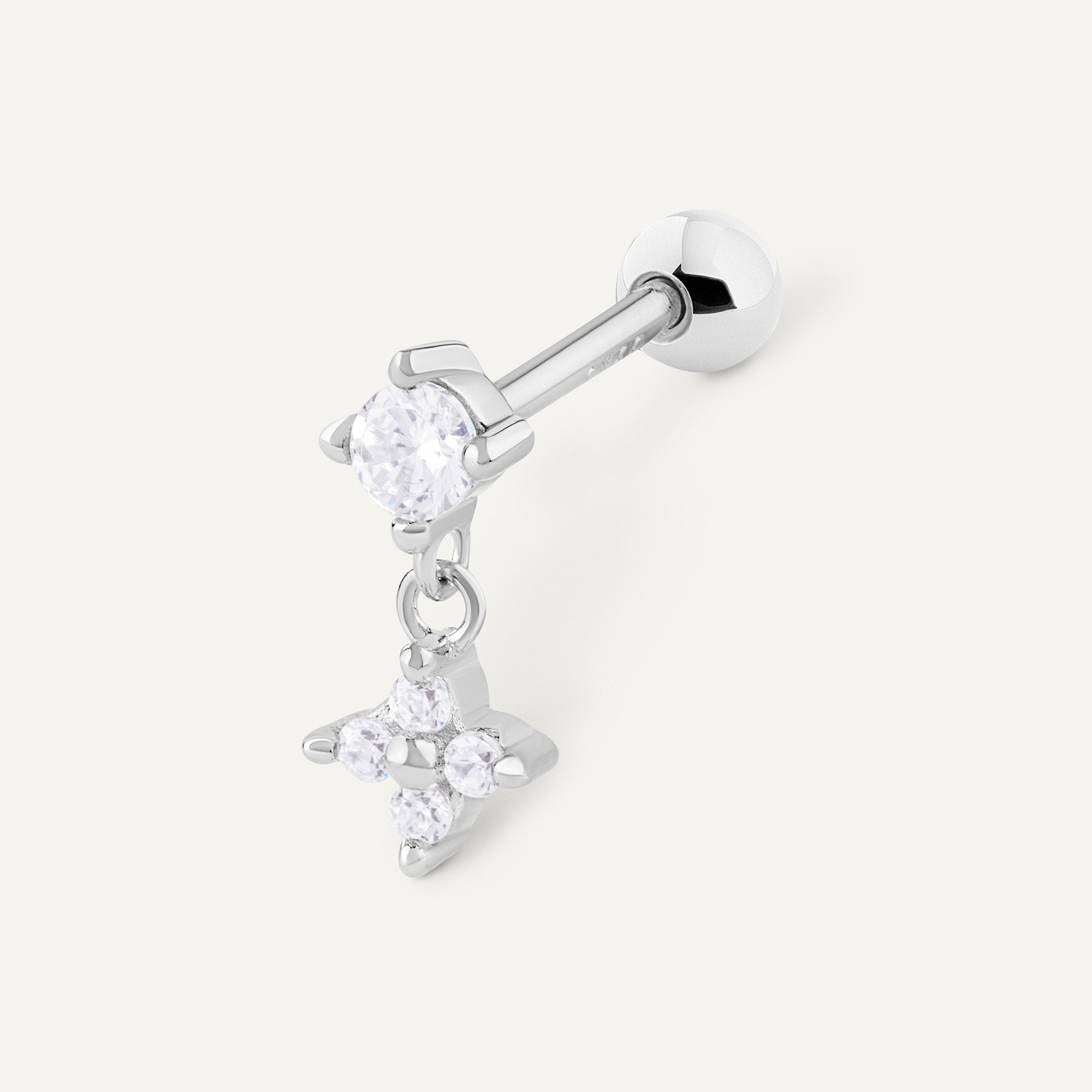
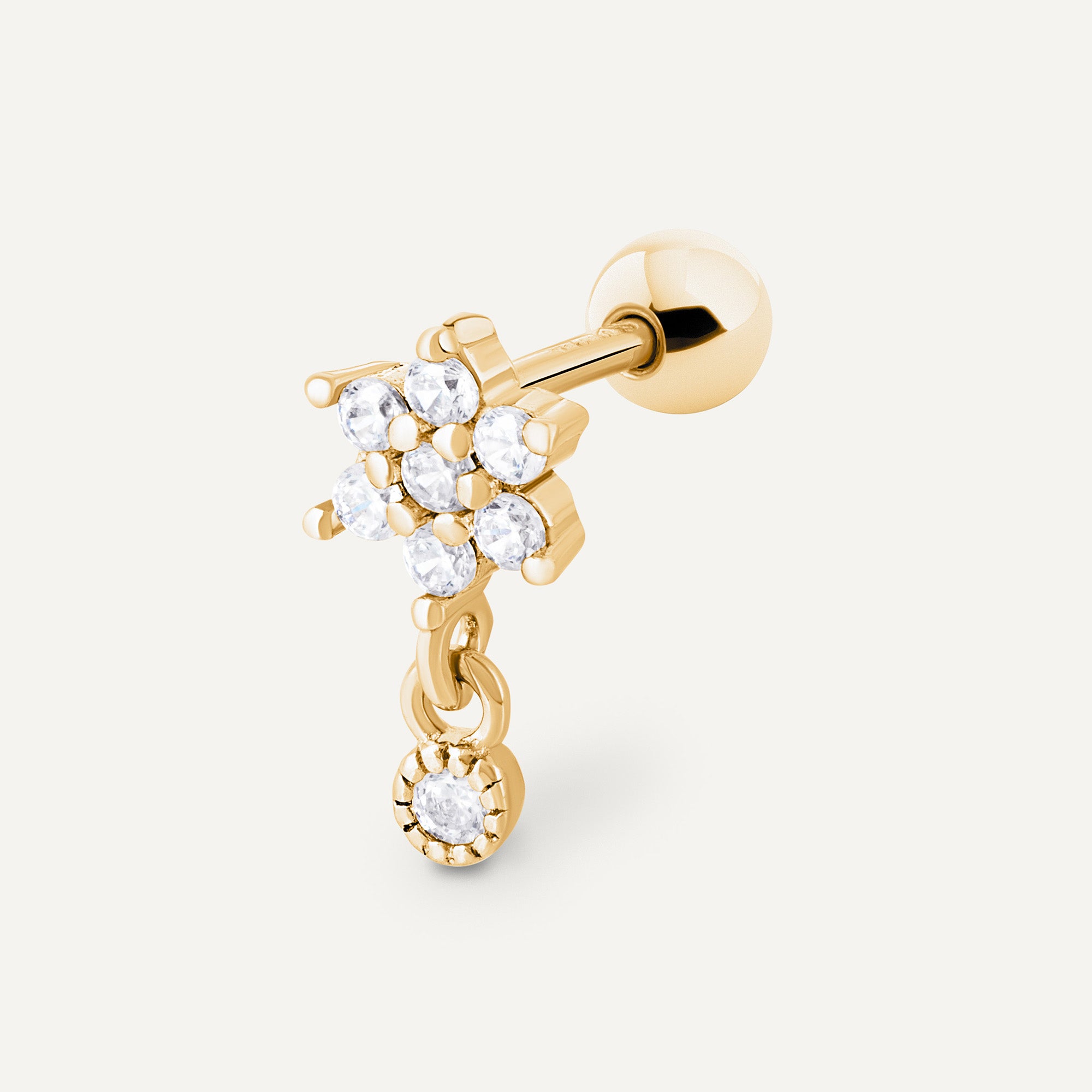
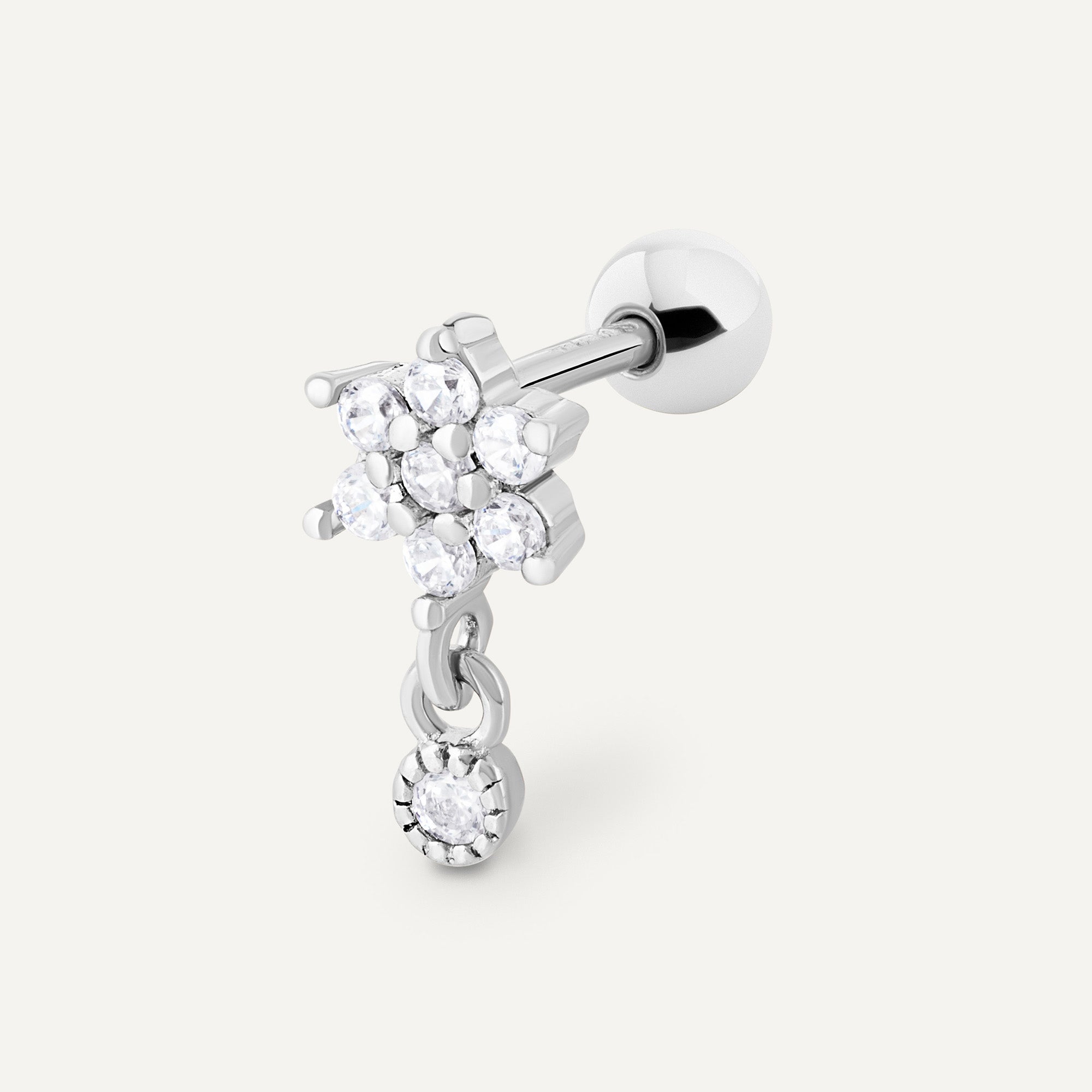
- Labret: flat back on the inside and a screw-on tip on the visible side, particularly suitable for cartilage piercings.
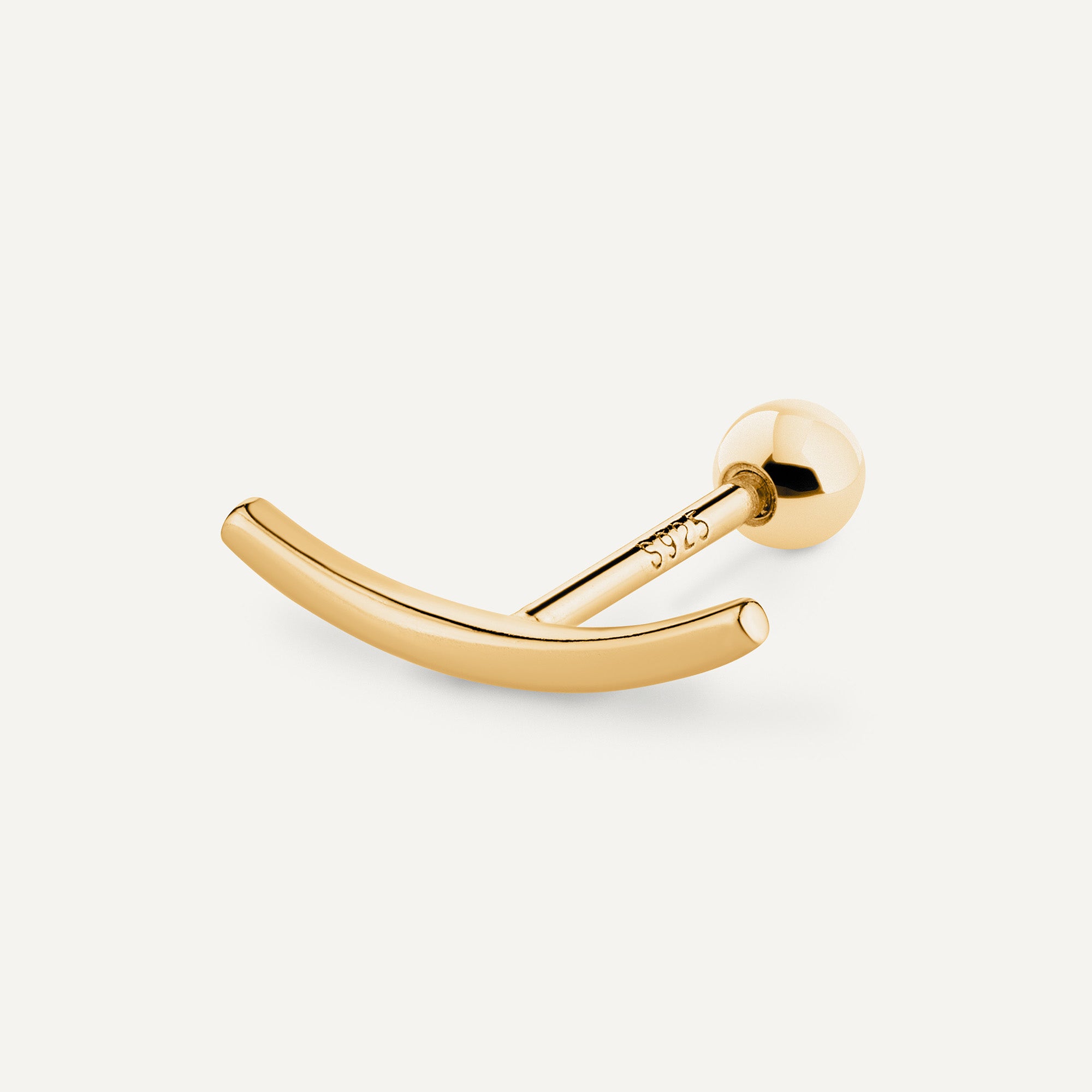
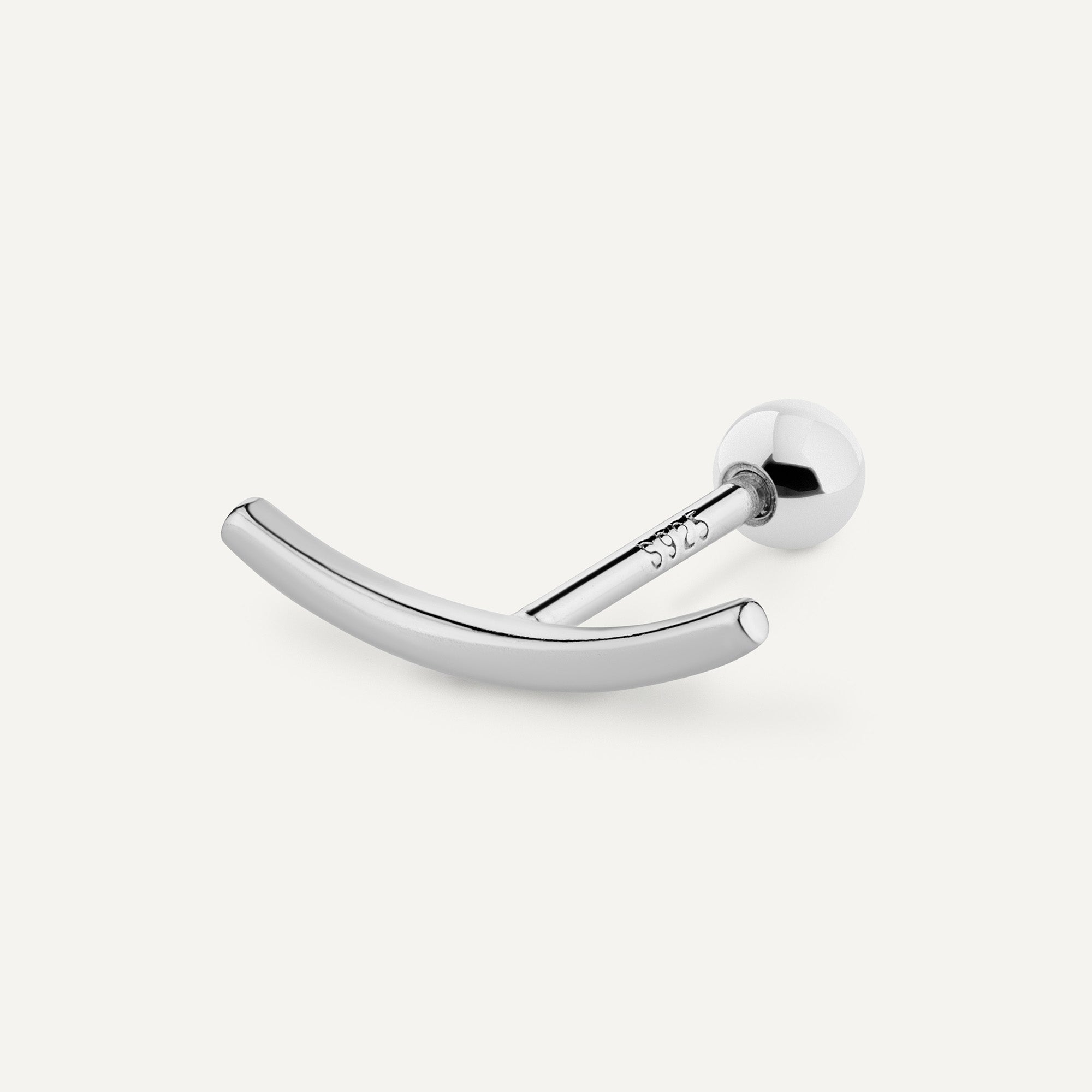
- Curved barbell: designed for curved areas like the rook or snug.
- Horseshoe: semi-circular shape open at both ends, very popular for the daith.
- Ear cuff: jewelry without a piercing that clips onto the cartilage, ideal for completing a composition without an extra hole (see our ear cuffcollection).
Each model comes in several sizes and thicknesses, to be chosen according to your anatomy and the desired effect.
Curating your ear: trends and stacking
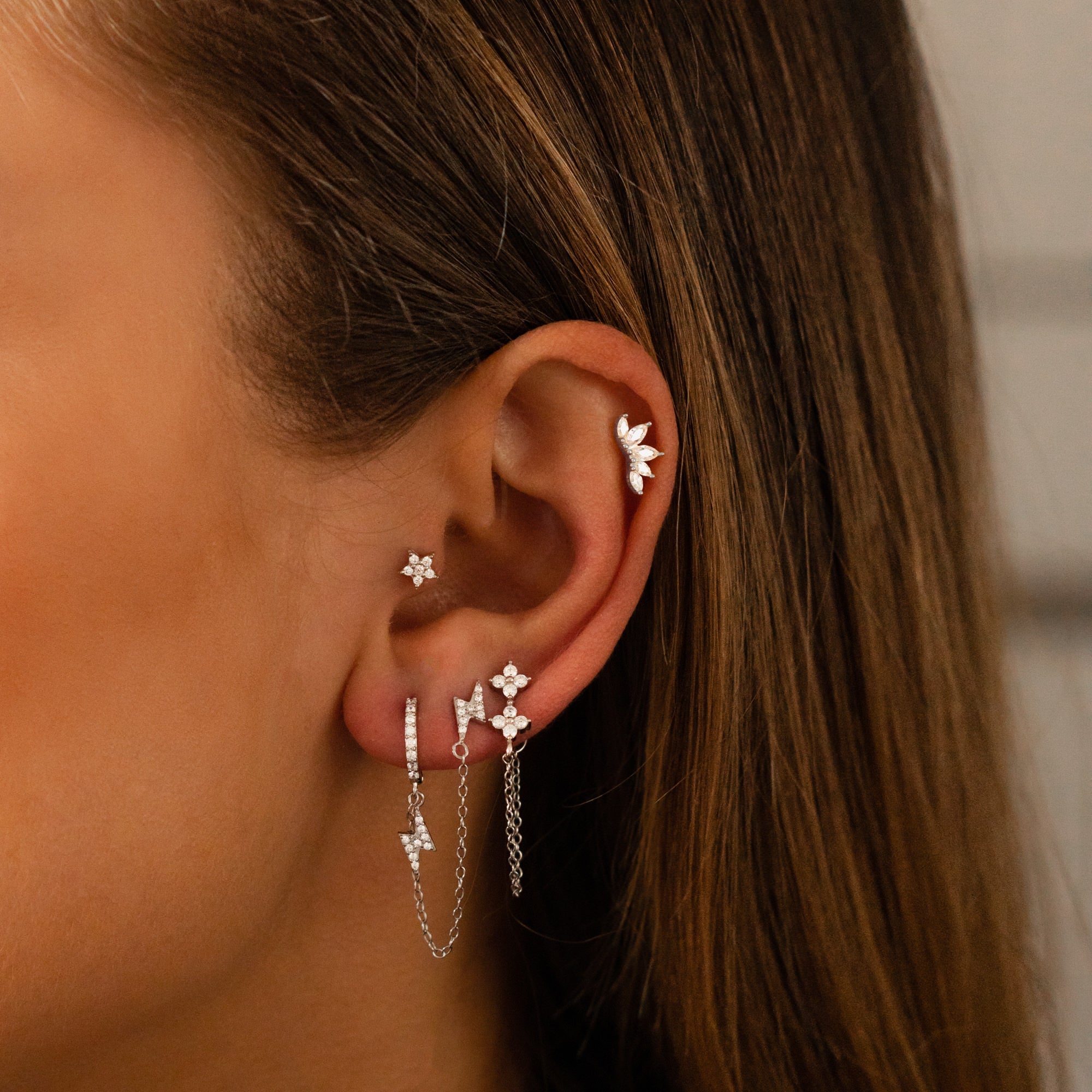
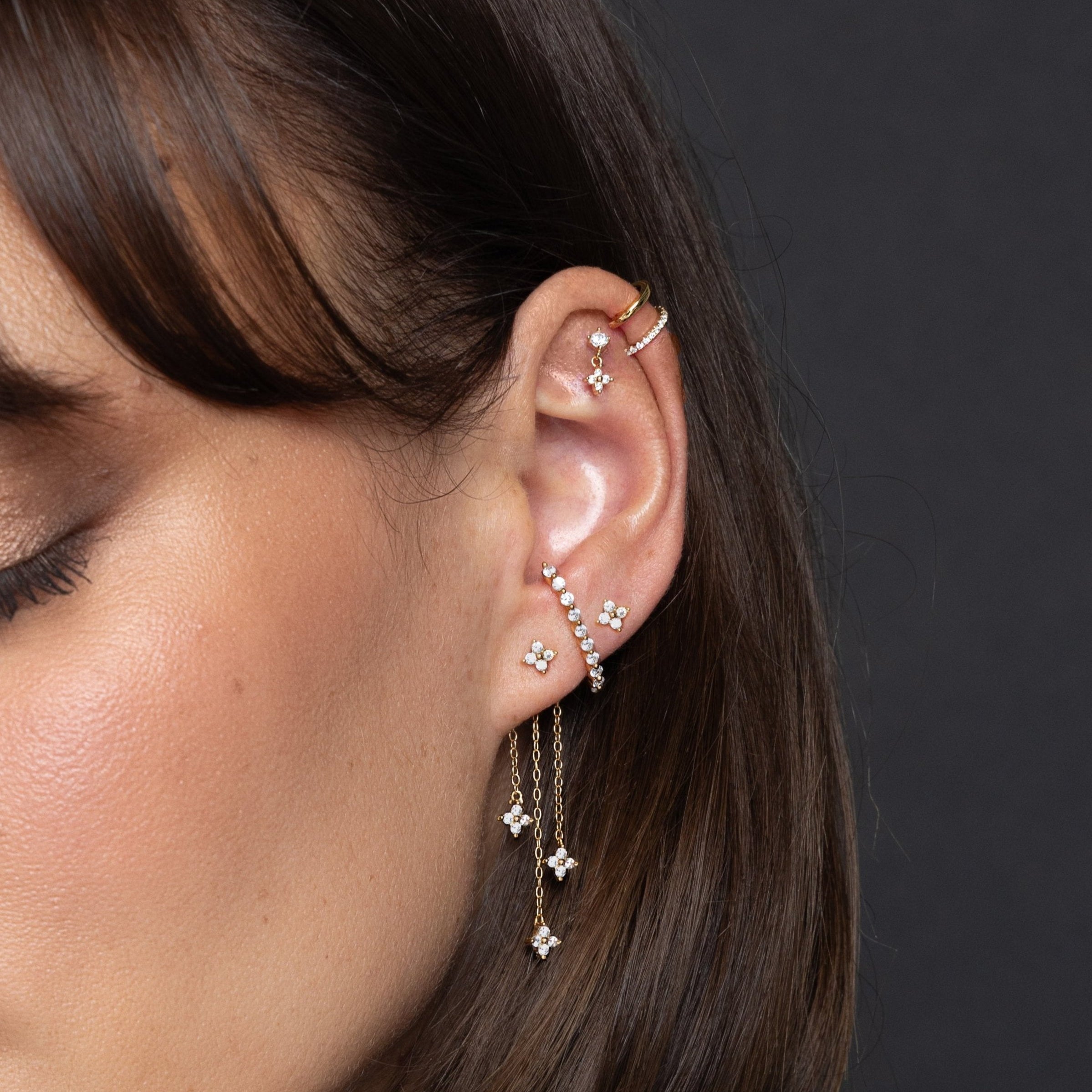
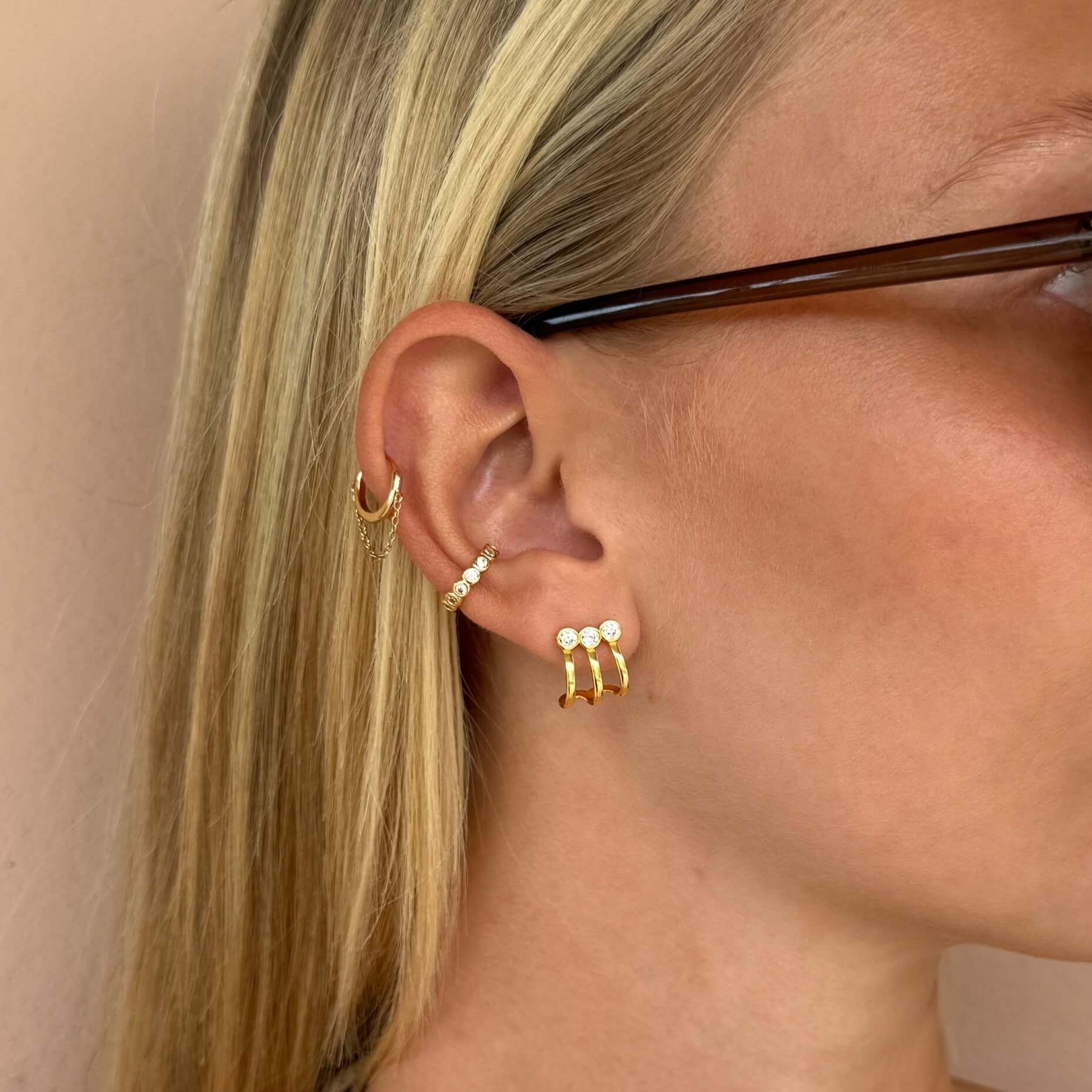
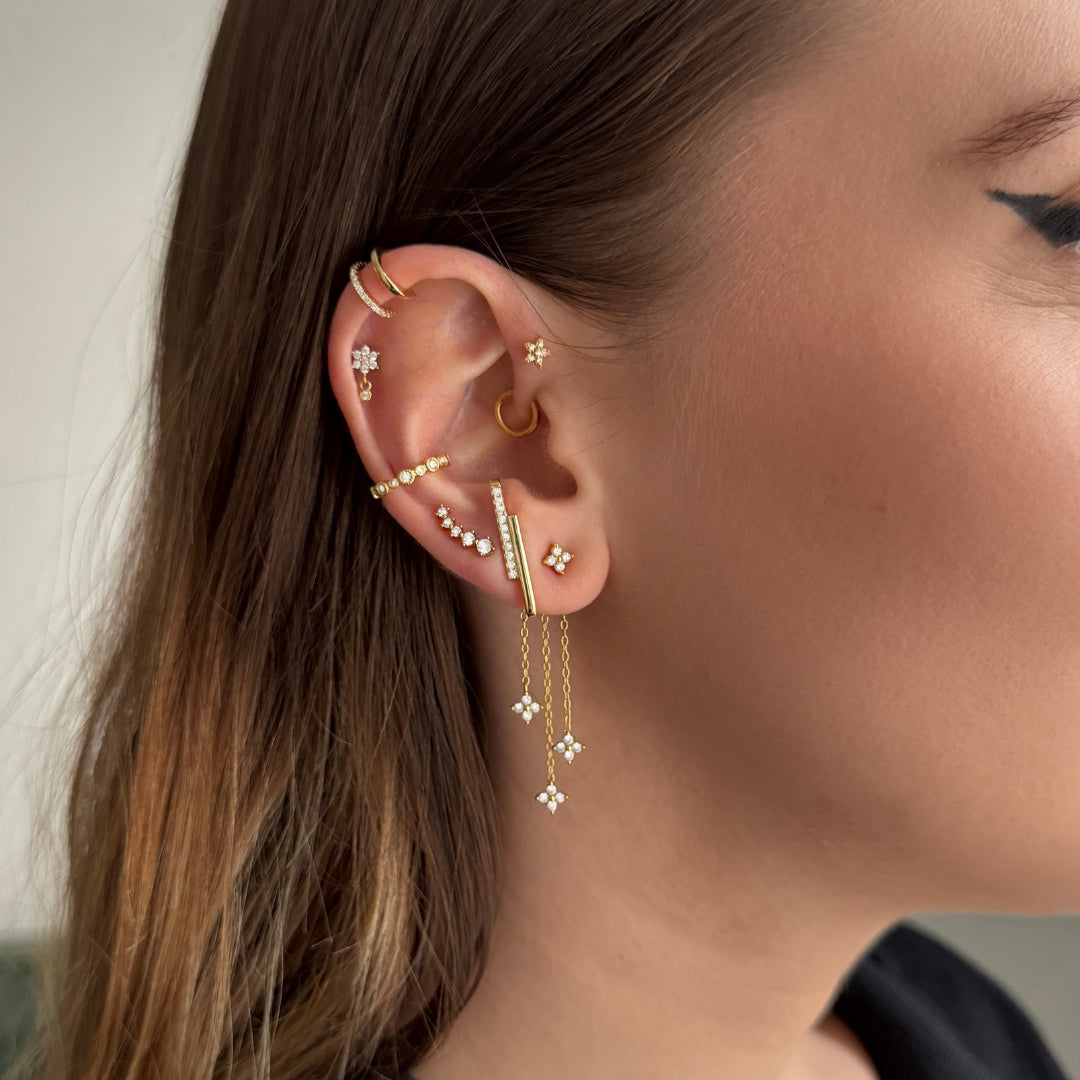
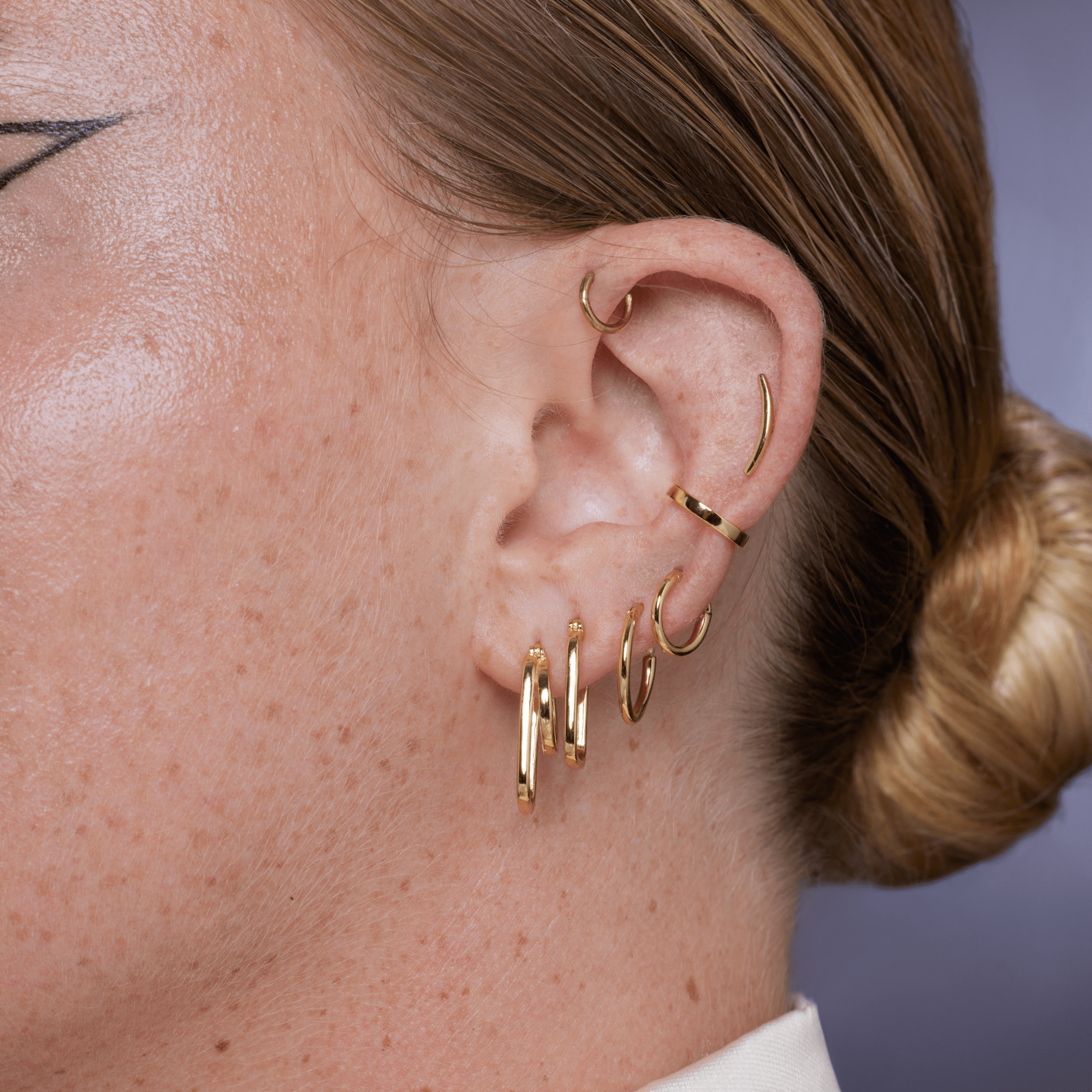
The ear stack— or accumulation of piercings — is currently the strong trend in ear jewelry. The principle: combine several piercings in different locations (lobe, helix, conch) to create a totally personal look and assert your individuality. The art lies in the contrast: mixing materials (titanium during healing, 925 sterling silver, 18-karat gold-plated once healed) and playing with shapes (ring, stud, mini bar, horseshoe) to add depth to the whole. This creativity makes each ear a unique piece, to be composed like a true moving jewel. Explore our compositioncollection, our earrings, our necklaces, and ringsto complete your look and give them character.
Healing, care, and tips
Each location has its own healing rhythm. Here is our guide:
- Lobe: 6 to 8 weeks
- Helix: 3 to 6 months
- Tragus: 3 to 6 months
- Conch and daith: 6 to 9 months
To promote good healing, clean your piercing morning and night with a sterile saline solution applied with a clean compress. Do not touch or turn the jewelry as long as the area is not completely healed, contrary to a popular misconception. Prioritize titanium during this entire phase, avoid sleeping on the piercing for the first few months, and change your pillowcase regularly. Also, avoid swimming pools, the sea, and saunas during the first six weeks. Once healing is complete, you can safely switch to 925 sterling silver or 18-karat gold-plated jewelry.
FAQ
Which ear piercing hurts the least?
The lobe is the most comfortable piercing because the area is soft, fleshy, and well-vascularized. Cartilage piercings (helix, tragus, daith, conch) are, however, more sensitive as the tissue is harder and less vascularized. The pain, however, remains brief and depends largely on the piercer's expertise.
How long does an ear piercing take to heal?
The time depends on the location: count 6 to 8 weeks for a lobe, 3 to 6 months for a helix or tragus, and 6 to 9 months for a daith or conch. Healing also varies according to skin type, hygiene, and the quality of the jewelry worn. Jewelry made of titanium or surgical steel (which should be distinguished from stainless steel) generally facilitates the initial phase.
Which material should I choose for a new piercing?
Titanium is the first recommended choice: nickel-free, they are comfortable to wear and hypoallergenic. Surgical steel is a good alternative, highly popular for non-sensitive skin. 925 sterling silver and 18-karat gold-plated jewelry should be preferred once healing is completely finished.
What size jewelry for a helix or tragus piercing?
For the helix, opt for a ring with a diameter of 6 to 10 mm or a bar with a length of 6 to 8 mm. For the tragus, a 6 to 8 mm labret is generally suitable. The standard thickness for cartilage piercings is 1.2 mm.
Can I sleep with an ear piercing?
During healing, avoid sleeping directly on the piercing to limit pressure, friction, and inflammation. Use a clean pillowcase, changed regularly, or even a silk pillowcase to limit friction. Once the piercing is perfectly healed, you can sleep comfortably with your jewelry.
What is the difference between a ring, a stud, and a labret?
The ring forms a circle, open or closed, which passes through the pierced area. The stud is a straight post with a decorative tip visible in the front. The labret has a flat post on the inside and a screw-on tip on the visible side, making it the most comfortable option for cartilage piercings.
Which piercing should I choose for a first piercing?
For a very first piercing, choose the lobe piercing without a doubt: soft area, fast healing, and a wide variety of jewelry available. If you wish to start directly with cartilage, the helix offers the best compromise between trend, comfort, and ease of maintenance.